
The Wildlife and Countryside Act 1981 is the primary piece of wildlife protection legislation in England, Wales, and Scotland. It provides a legal framework for conserving native species, safeguarding important habitats, and regulating public rights of way. The Act is divided into four main areas: wildlife protection, nature conservation, public rights of way, and various administrative and legal provisions.
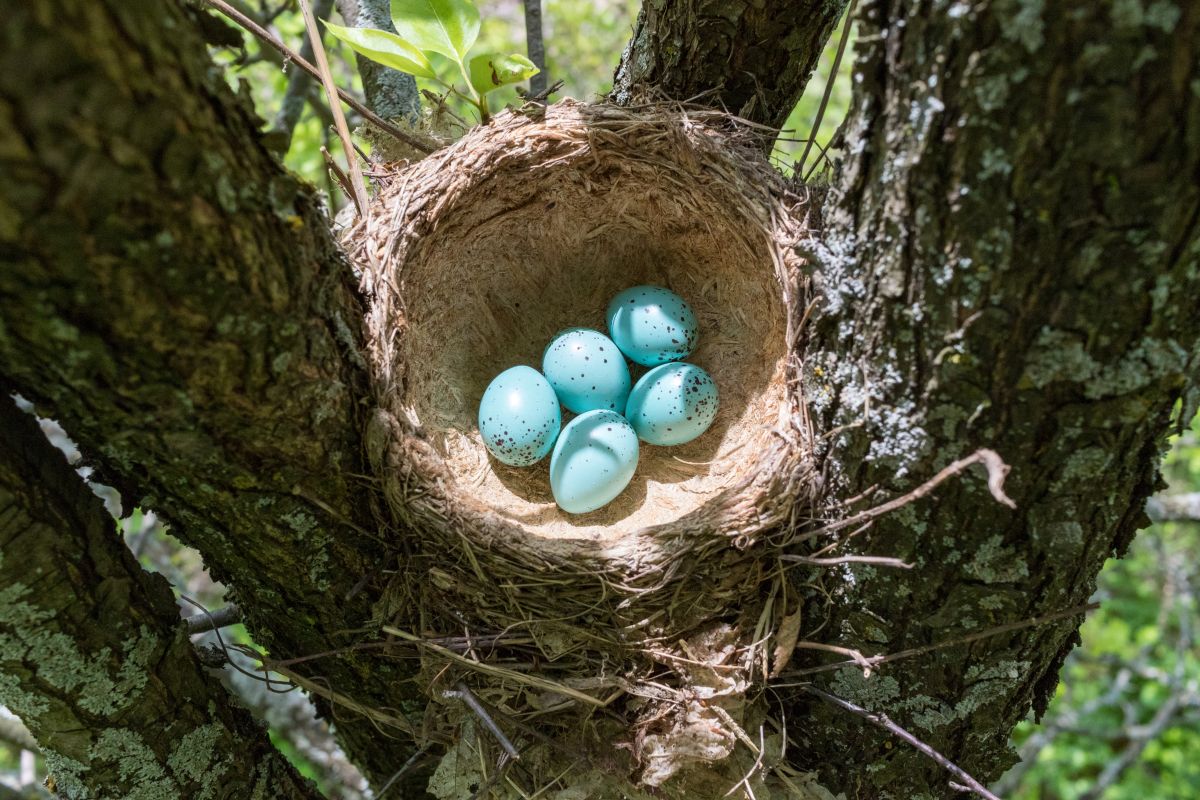
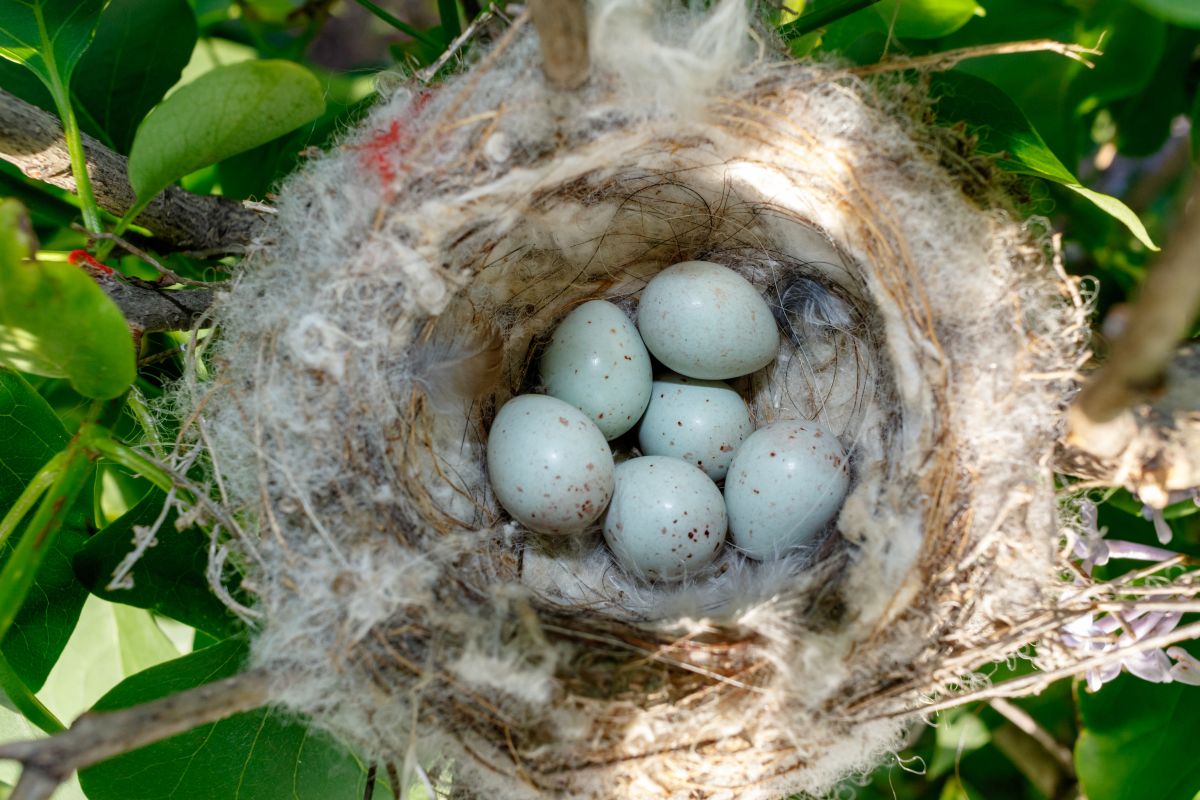
Although the Act protects a broad range of wildlife from beetles to bluebells, it was primarily designed to protect all wild birds, their nests, and their eggs. Individuals can be prosecuted for intentionally or recklessly killing, injuring, or taking any wild bird; for taking, damaging, or destroying the nest or egg of a wild bird; and for disturbing dependent young birds.
Schedule 1 lists the species afforded the highest level of protection. These birds are rarer or more vulnerable, and offences against them carry the most severe penalties. It is illegal to intentionally or recklessly disturb a Schedule 1 species while it is building a nest, or when it is in, on, or near a nest containing eggs or young. Disturbing dependent young of a Schedule 1 species is also an offence.
Schedule 3 covers bird species that may be sold alive, provided they were bred in captivity and fitted with an approved identification ring. Many songbird species fall under this schedule.
See below for the songbird species listed under Schedules 1 and 3.
Brambling
Cirl bunting
Lapland bunting
Snow bunting
Chough
Crossbills (all species)
Fieldfare
Firecrest
Golden oriole
Black redstart
Redwing
Scarlet rosefinch
Serin
Red-backed shrike
Bearded tit
Crested tit
Short-toed treecreeper
Cetti’s warbler
Dartford warbler
Marsh warbler
Savi’s warbler
Woodlark
Blackbird
Brambling
Bullfinch
Reed bunting
Chaffinch
Dunnock
Goldfinch
Greenfinch
Jackdaw
Jay
Linnet
Magpie
Redpoll
Siskin
Starling
Song thrush
Twite
Yellowhammer
The Act is enforced by a range of organisations, including the police, Natural England, Natural Resources Wales, Scottish Natural Heritage, the Environment Agency, the Joint Nature Conservation Committee, local authorities, and the Partnership for Action Against Wildlife Crime, among others.
When a wildlife offence is suspected, it is investigated by the police. Specialist units such as the National Wildlife Crime Unit (NWCU) and regional Wildlife Crime Officers (WCOs) support these investigations.
If you witness a crime involving a wild bird, report it to the police on 101. If you suspect poisoning of birds or other wildlife, contact the Wildlife Incident Investigation Scheme on 0800 321600.
For wildlife crimes involving animal cruelty, contact:
What Does the Wildlife and Countryside Act 1981 Do? Arbtech.
Available at: https://arbtech.co.uk/wildlife-and-countryside-act-1981/
Wildlife and Countryside Act 1981, c. 69.
Available at: https://www.legislation.gov.uk/ukpga/1981/69
We need your help to fund our crucial independent research and work.
Join our community and receive our exclusive membership benefits.
Receive our monthly e-news and regular updates



.avif)