.png)
NEW RESEARCH PAPER PUBLISHED

April 21, 2026
Today, SongBird Survival has welcomed a major House of Lords Environment and Climate Change Committee report that highlights growing scientific evidence and concern that chemicals commonly used in pet flea and tick treatments are harming the environment and calls for stronger government action, including banning general sales and requiring a full environmental risk assessment of products.
The report, ‘Paws for concern: pets, parasites and pollution’, questions the pet industry’s advocacy for routine, often monthly, use of these treatments, stating that there is no robust scientific evidence for this.
The Committee concludes that there is sufficient evidence of environmental harm from the pesticide compounds used in many flea and tick treatments to justify a precautionary approach.
SongBird Survival gave evidence to the Inquiry and is cited several times in the report. The Committee refers to our evidence, based on University of Sussex and SongBird Survival research, that fipronil and imidacloprid, commonly used in pet flea and tick treatments, have been found in birds’ nests, with possible effects on bird health. Research published in April found for the first time that these chemicals are also transferring from contaminated nest material to unhatched eggs and dead chicks, adding to broader ecological concerns.
Sue Morgan, CEO of SongBird Survival, said:
"This report should be a turning point. As the Committee has recognised, there is enough scientific evidence of the environmental harm of pet parasiticides to justify an immediate change to their use. We cannot ignore the extra pressure these chemicals may be putting on insects, birds and the wider environment. Our research with the University of Sussex has found these chemicals contaminating bird nests, unhatched eggs and dead chicks.
“As pet owners, we want to do the right thing for our animals and for wildlife. To do this, we need clear, independent advice about what treatment is really needed for our pets, what the risks are and how to reduce them. We now need the government to act on this report by urgently assessing the environmental impact of flea and tick products, strengthening regulation and making them prescription-only, ensuring access is maintained but with proper veterinary guidance.”
In April, a coalition of environmentalists, academics and veterinary professionals, coordinated by SongBird Survival, BugLife and WildFish, wrote to the Environment Minister warning of the environmental impact of pesticides commonly used in pet flea and tick treatments and calling for treatments to be reclassified as prescription-only, to introduce proper monitoring of the chemicals in waterways and to fully assess their environmental impact.
ENDS
Notes to Editors:
1. SongBird Survival is an independent charity working to change the future of songbirds by funding research into the causes of the decline and creating solutions. More than half of our UK songbirds are threatened or already in decline.
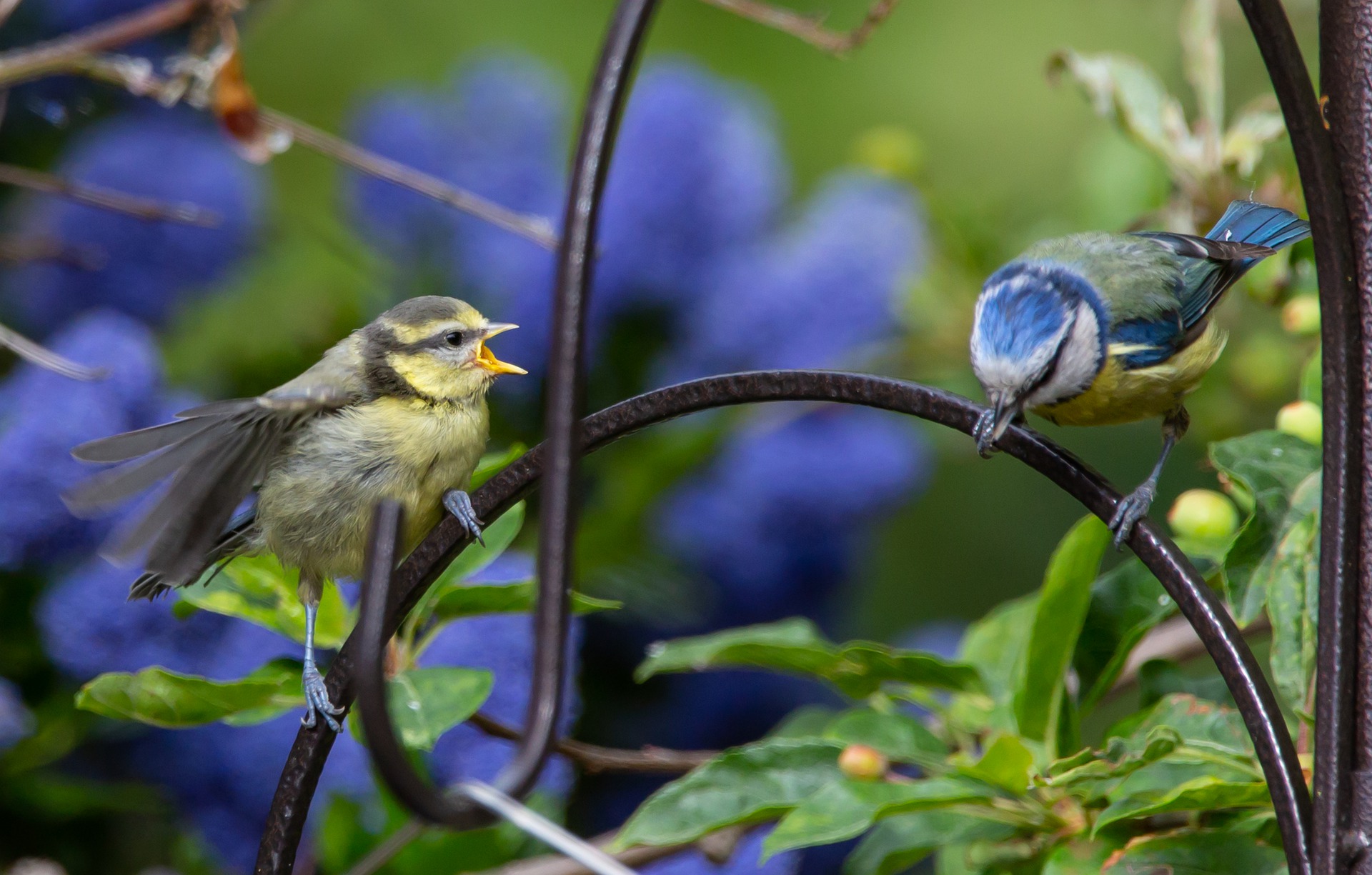
2. In January 2025, research by the University of Sussex, funded by SongBird Survival, found high levels of pesticides in blue tit and great tit nests lined with animal fur. 100% of nests contained fipronil, which was banned in the EU for agricultural use in 2013, and 89% contained imidacloprid, which was banned in the EU as a plant protection product in 2018.
The research found that blue tits and great tits are routinely exposed to pesticides in their nests and that higher pesticide concentrations were associated with increased chick mortality, including more unhatched eggs and dead chicks. With pet flea and tick treatments confirmed as the most likely source of contamination, the study raised serious concerns about the impacts of veterinary medicines on songbirds.
Further analysis, published in April 2026, detected fipronil and imidacloprid (along with other chemicals) in unhatched eggs and dead chicks at levels correlating with those in the nests, indicating a transfer of pesticides from the environment to songbirds and their offspring. This adds to evidence from a study funded by SongBird Survival of pesticides in the feathers of common garden birds including goldfinches, chaffinches, blue tits, blackbirds and dunnocks.
More information is available at: https://www.songbird-survival.org.uk/categories/veterinary-drugs
3. The House of Lords Environment and Climate Change Committee published ‘Paws for concern: pets, parasites and pollution’ on 5 August 2026. It is available at: https://committees.parliament.uk/committee/515/environment-and-climate-change-committee/news/217339/environment-and-climate-change-committee-calls-for-checks-on-pet-parasite-medication/
4. The House of Lords Environment and Climate Change Committee received 46 written submissions. SongBird Survival’s evidence is listed as PPM0014 and is cited in the report’s discussion of treatment levels, risks to non-target invertebrates, contaminated fur in birds’ nests, chemical mixtures and outdated guidance. SongBird Survival’s evidence is available at: https://committees.parliament.uk/writtenevidence/167382/html/
5. The open letter of environmentalists, academics and veterinary professionals, coordinated by SongBird Survival, BugLife and WildFish, to the Environment Minister warning of the environmental impact of pesticides commonly used in pet flea and tick treatments is available at: https://www.songbird-survival.org.uk/post/call-for-government-to-address-levels-of-flea-and-tick-treatment-chemicals-in-the-environment
We need your help to fund our crucial independent research and work.
Join our community and receive our exclusive membership benefits.
Receive our monthly e-news and regular updates



.avif)