.png)
NEW RESEARCH PAPER PUBLISHED

April 21, 2026

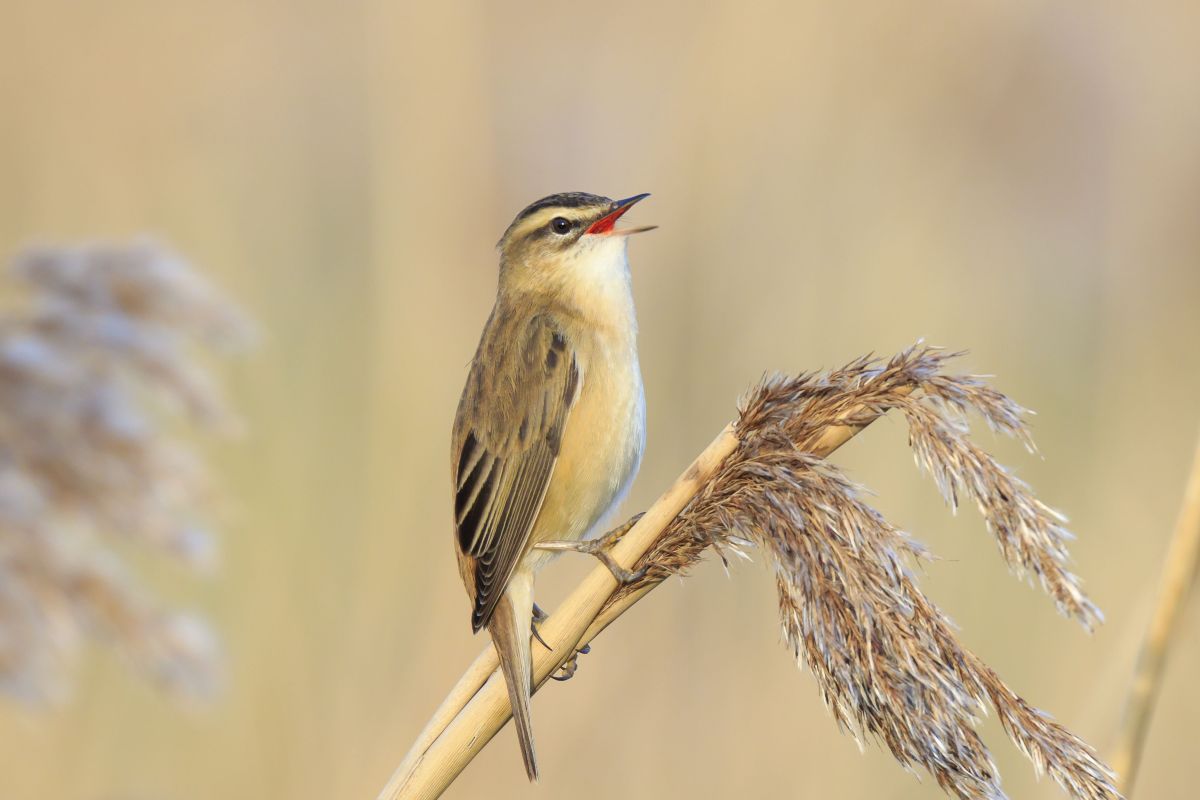
In this second instalment of our blog series exploring SongBird Survival's 23 ‘at-risk’ species and the pressures driving their declines, we spotlight migrant birds. These remarkable species breed in the UK during spring and summer before embarking on long journeys to warmer climates for the winter.
The challenges facing migrant birds
For migratory birds that return to the UK to breed each year, identifying the main causes of population decline can be particularly difficult. All of the ‘at-risk’ migrant species on our list spend the winter in Africa, travelling thousands of miles through multiple countries and facing a range of threats along the way. Habitat degradation, drought, hunting, predation and the impacts of climate change can all affect their survival.
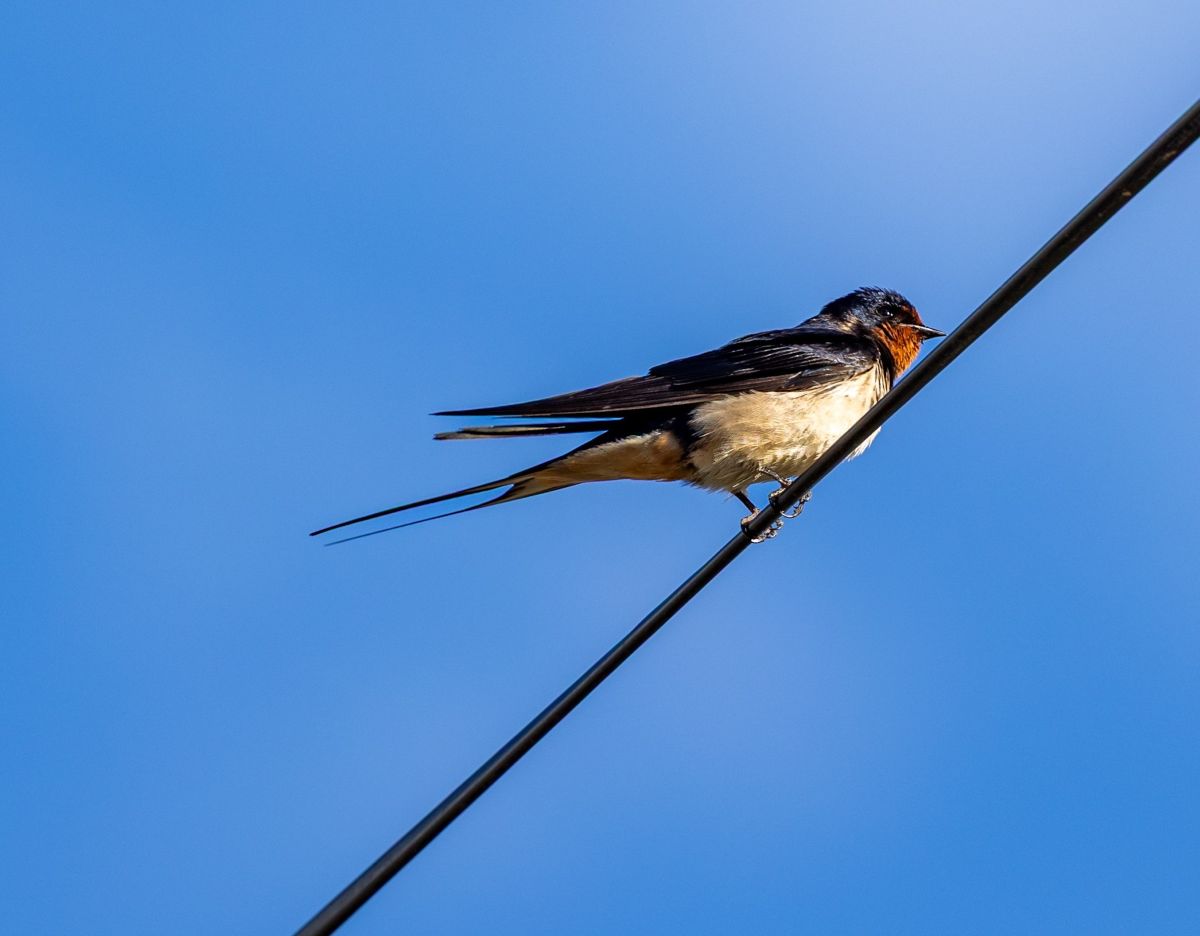
Hirundines such as the house martin and swallow, for example, spend the winter in sub-Saharan Africa. Their return journey to the UK can cover up to 6,000 miles and requires crossing the vast Sahara Desert. Increasingly dry conditions along this migratory route are thought to pose a growing risk to these birds. However, research also suggests that changes within their UK breeding grounds play an important role in their declines. In Britain and Ireland, the loss of traditional nesting sites, including farm buildings, alongside reduced insect availability resulting from agricultural intensification, have both been linked to population decreases.
Habitat loss across breeding and wintering grounds
For many migrant species, the degradation or loss of habitat across both their breeding and wintering ranges has likely contributed to long-term declines. In the UK, only one in seven wildlife-rich habitats is currently considered to be in good condition.
Although evidence remains limited, research suggests that breeding habitats for the wheatear and ring ouzel, both characteristic birds of the UK's uplands, have deteriorated due to factors such as afforestation, grazing pressure and increased fertiliser use. Meanwhile, the sedge warbler, which depends on dense vegetation in marshes and reedbeds, faces threats from wetland loss driven by poor habitat management and changing weather patterns.
The declines of two farmland specialists, the whinchat and yellow wagtail, have also been linked to changes in breeding habitat. Alterations to grassland management and overgrazing have reduced the availability of suitable nesting sites, while wetland drainage has diminished the wet meadows favoured by the yellow wagtail.
Climate change and food availability
As long-distance migrants, all of the birds on this list are particularly vulnerable to climate change. One significant concern is the timing of food availability. Rising temperatures can cause insects to emerge earlier in the season, potentially creating a mismatch between peak food abundance and the arrival of migrant birds in the UK.
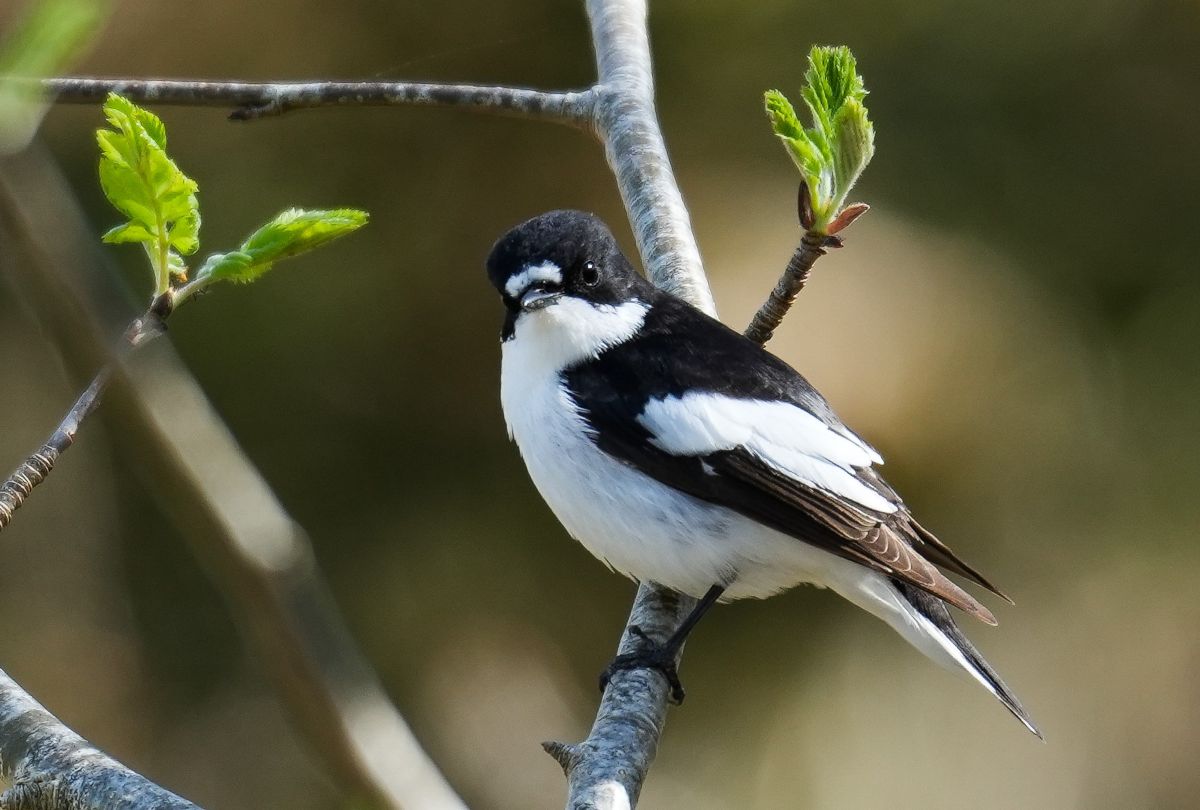
For species such as the spotted flycatcher and pied flycatcher, which rely heavily on flying insects, warmer springs can lead to insect populations peaking before the birds have begun raising their young. As a result, the critical period during which parents need abundant, nutritious food to feed chicks may become increasingly limited.
Woodland species under pressure
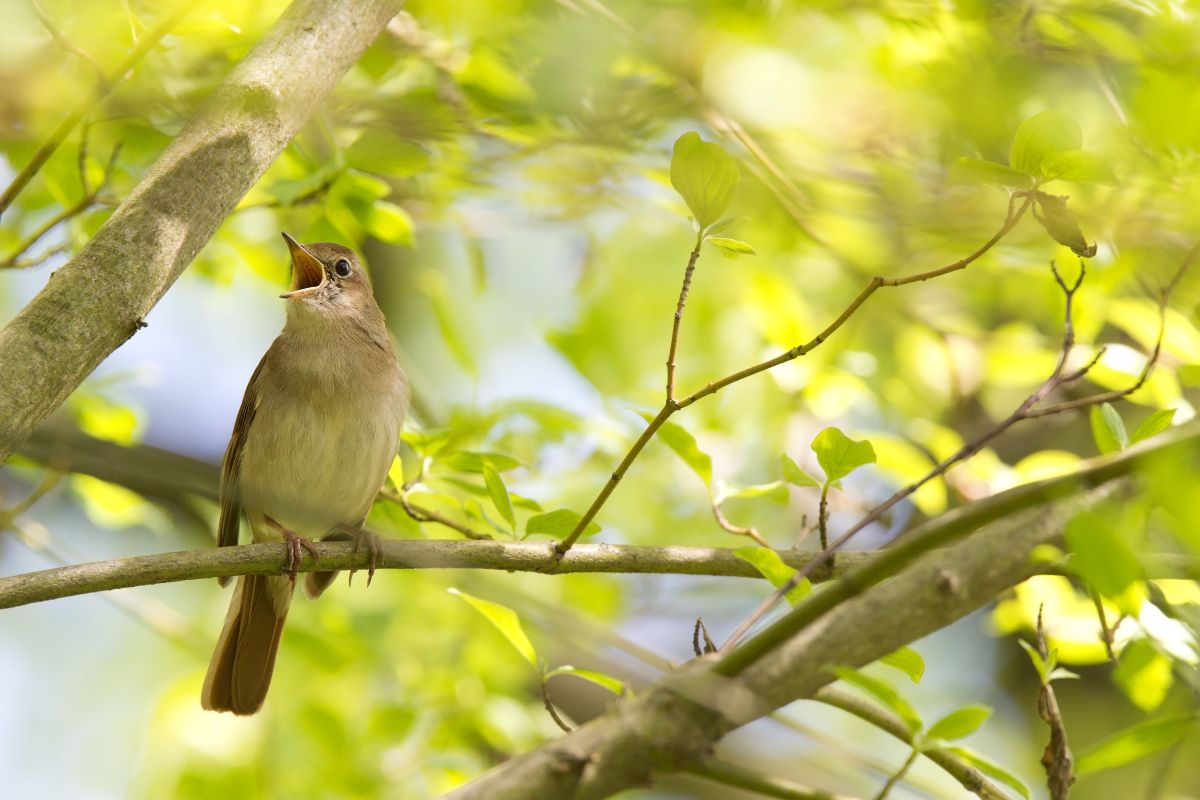
The flycatchers, along with other woodland birds such as the nightingale, are also affected by the loss and deterioration of woodland habitats; only 7% of UK woodlands are in good ecological condition. Unlike the flycatchers, which favour mature woodland, the nightingale thrives in dense scrub, woodland edges and thick hedgerows. Conservation measures such as coppicing and managing deer populations can help maintain the dense vegetation structure that this iconic species depends upon.
Another woodland specialist is the wood warbler, which prefers mature oak woodland with a high canopy and relatively sparse ground vegetation. The wood warbler has suffered a dramatic long-term population decline of 82% between 1995 and 2024 for reasons not fully understood. As with many other migratory songbirds, a combination of changing woodland management, reduced habitat quality, pesticide use and climate change is likely to be contributing to its decline.
How our research is helping us understand the threats
SongBird Survival is funding a research project at the University of Exeter to investigate how recreational activities in woodlands affect summer migrant birds such as pied flycatchers and wood warblers. As part of the project, PhD student Gavin Kellerman is using tracking technology to monitor the movements of dogs and their owners, helping to build a clearer picture of recreational pressures on woodland wildlife. He will also analyse a long-term dataset from a pied flycatcher monitoring programme to assess how these pressures influence breeding success.
If you're visiting woodlands, particularly during the spring and summer breeding season, please follow any local guidance on access and dog walking. Sticking to designated paths and observing site-specific restrictions can help minimise disturbance to these vulnerable birds and support their breeding success.
Read part 1 – Resident species here
References
Burns, F. et al., (2023) State of Nature2023, the State of Nature Partnership. Available at: www.stateofnature.org.uk
We need your help to fund our crucial independent research and work.
Join our community and receive our exclusive membership benefits.
Receive our monthly e-news and regular updates



.avif)