.png)
NEW RESEARCH PAPER PUBLISHED

April 21, 2026

At SongBird Survival, our vision is to see rich, resilient and balanced populations of UK songbirds. There are 84 species of songbird that breed here in the UK annually. Of these, 23 are included on our ‘at-risk’ list: species that have experienced significant declines in the short or long term, have UK breeding populations of more than 500 pairs, and are classified as Near Threatened or higher on the UK IUCN Red List.
Whilst we monitor and work to support healthy populations of all UK songbirds, the evidence shows that these 23 species are facing particularly acute challenges. As a result, where appropriate, we focus our research and communications on understanding and addressing the factors driving their declines.
In this two-part blog series, we take a closer look at our at-risk species and explore the reasons behind their declining numbers. We begin with our resident species - those that remain in the UK throughout the year.
Threats to farmland birds
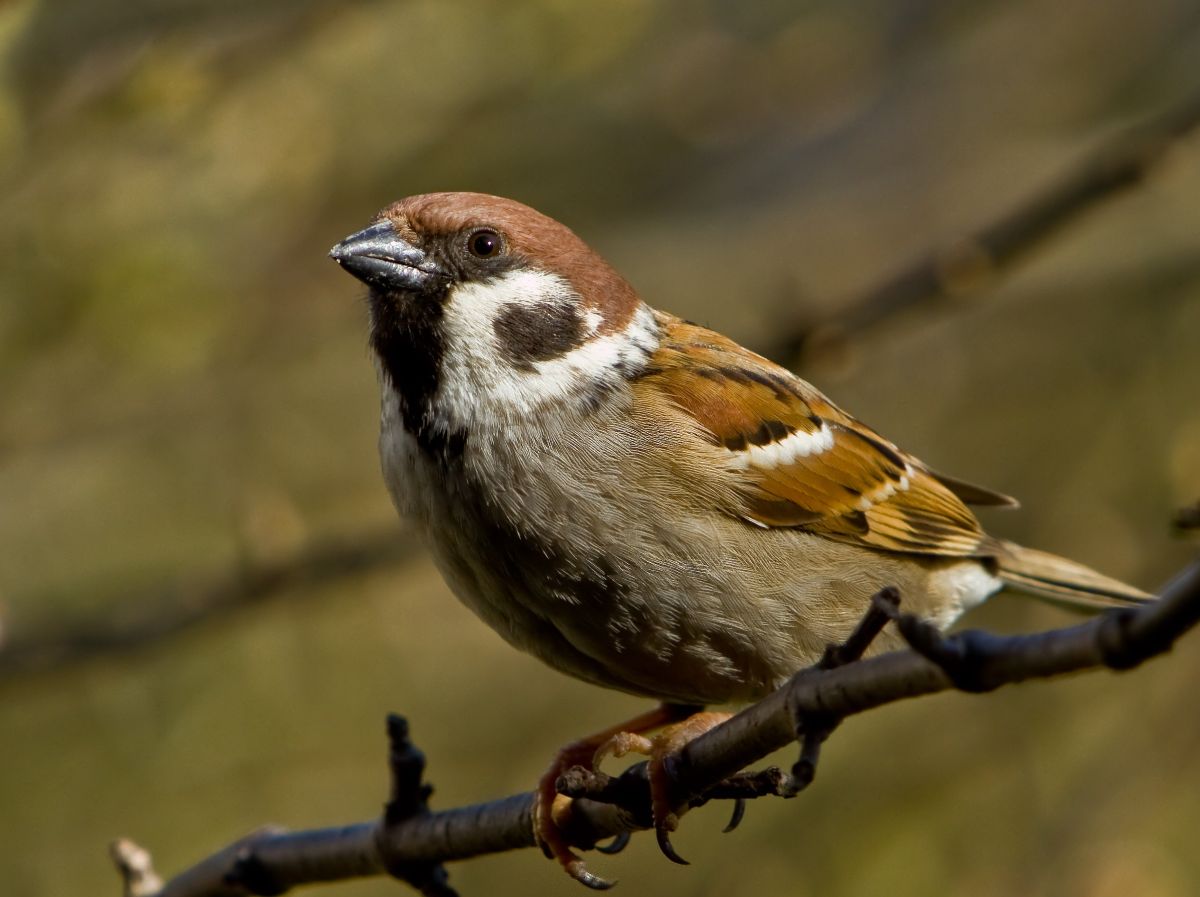
Whilst nearly all songbird species are affected by a range of threats, many of our resident ‘at-risk’ species have experienced population declines because of changes in agricultural practices. Over the past 70 years, the shift from spring- to autumn-sown cereals, hedgerow removal, earlier and repeated mowing of hay meadows, and the loss of seed-rich winter stubble fields have significantly reduced the availability of food and nesting habitats.
As a result, populations of insectivorous and granivorous farmland species, including the tree sparrow, corn bunting, twite, starling and rook, have declined substantially. Starlings, for example, feed on cranefly larvae and other invertebrates found in grassland soils. Their population has fallen by 70% between 1995 and 2024, likely reflecting agricultural changes that have reduced the abundance of invertebrates.
Woodland species under pressure
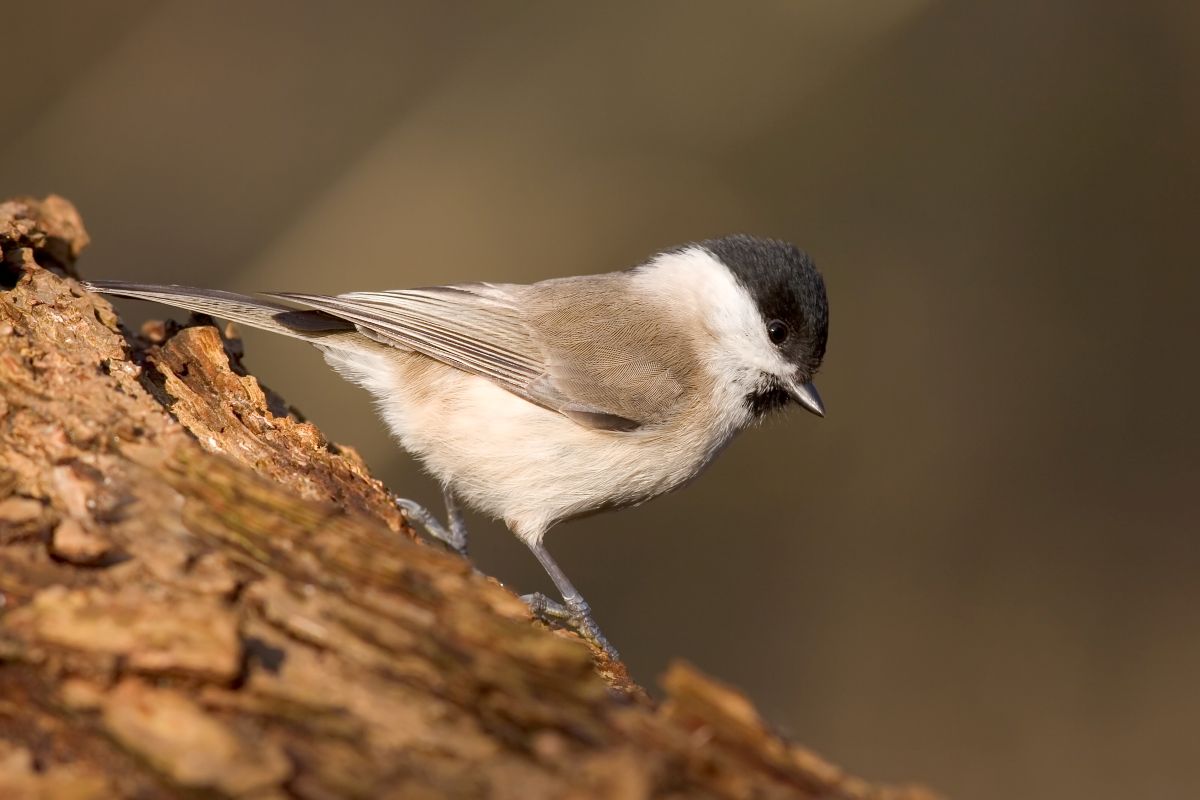
For other species, declines are more closely linked to changes in their preferred habitats. The marsh tit, whose population has halved since 1995, depends on mature woodland containing trees with natural cavities for nesting. They are highly sedentary and unlikely to colonise new areas, meaning habitat fragmentation caused by urbanisation, reduced woodland management and other pressures has left many populations isolated and less able to disperse.
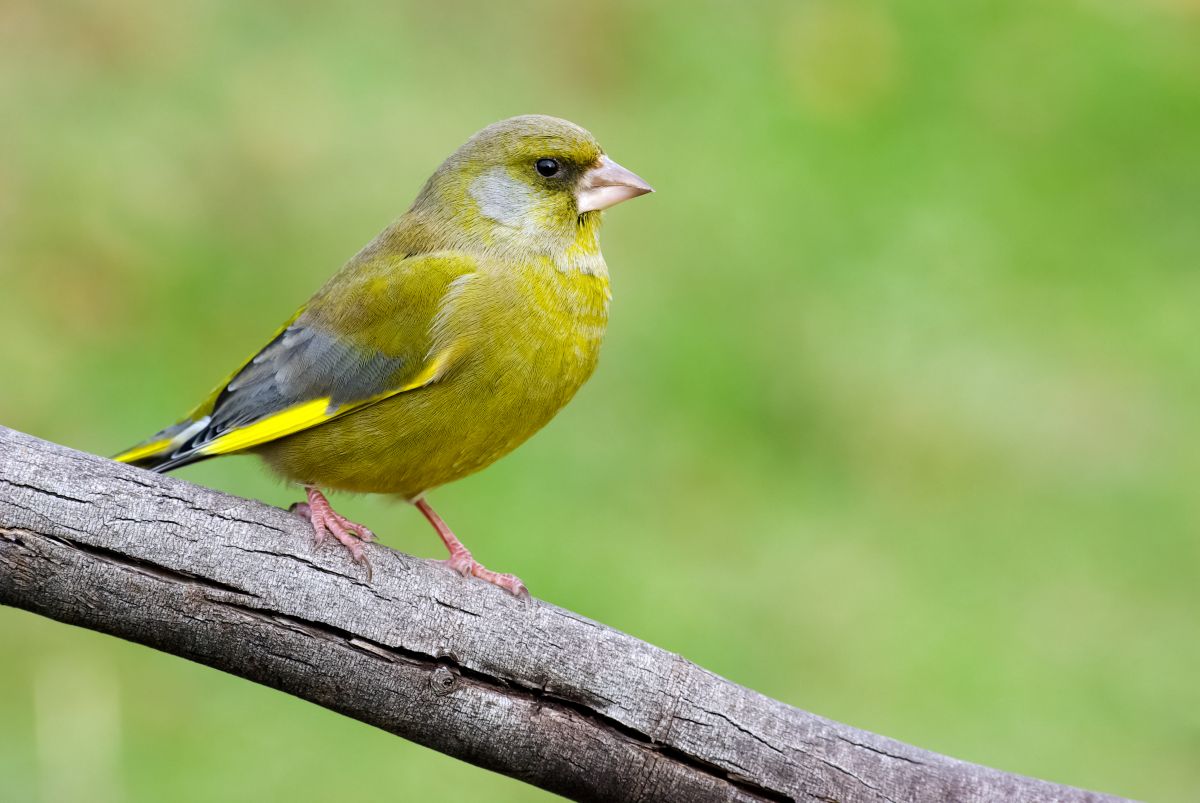
Like the marsh tit, the hawfinch is a specialist of mature broadleaved woodland, where it relies on seeds from large trees as a key food source. The loss and fragmentation of these woodlands, driven by agricultural expansion and the planting of conifer plantations, have contributed to a dramatic contraction in the species' range, which is now estimated to occupy only a quarter of its former extent. Hawfinches may also be vulnerable to disease, particularly trichomonosis, which has caused severe declines in several finch species. The chaffinch, for example, despite experiencing long-term population growth, has declined by more than a third over the last 30 years, whilst greenfinches have experienced even more drastic losses of 65% since 1995 following major outbreaks of the disease.
Another woodland specialist, the willow tit, has suffered one of the most dramatic declines of any UK bird species. Requiring damp woodland habitats where it excavates its own nest cavities in decaying wood, the species has declined by 92% since 1995 and is now close to extinction in many parts of the country. The reasons for this decline are complex, but research suggests that increased competition from other tit species, particularly blue tits and great tits, may play an important role. Willow tits can be displaced from nesting sites by these larger competitors and are also vulnerable to predation by great spotted woodpeckers.
Survival challenges
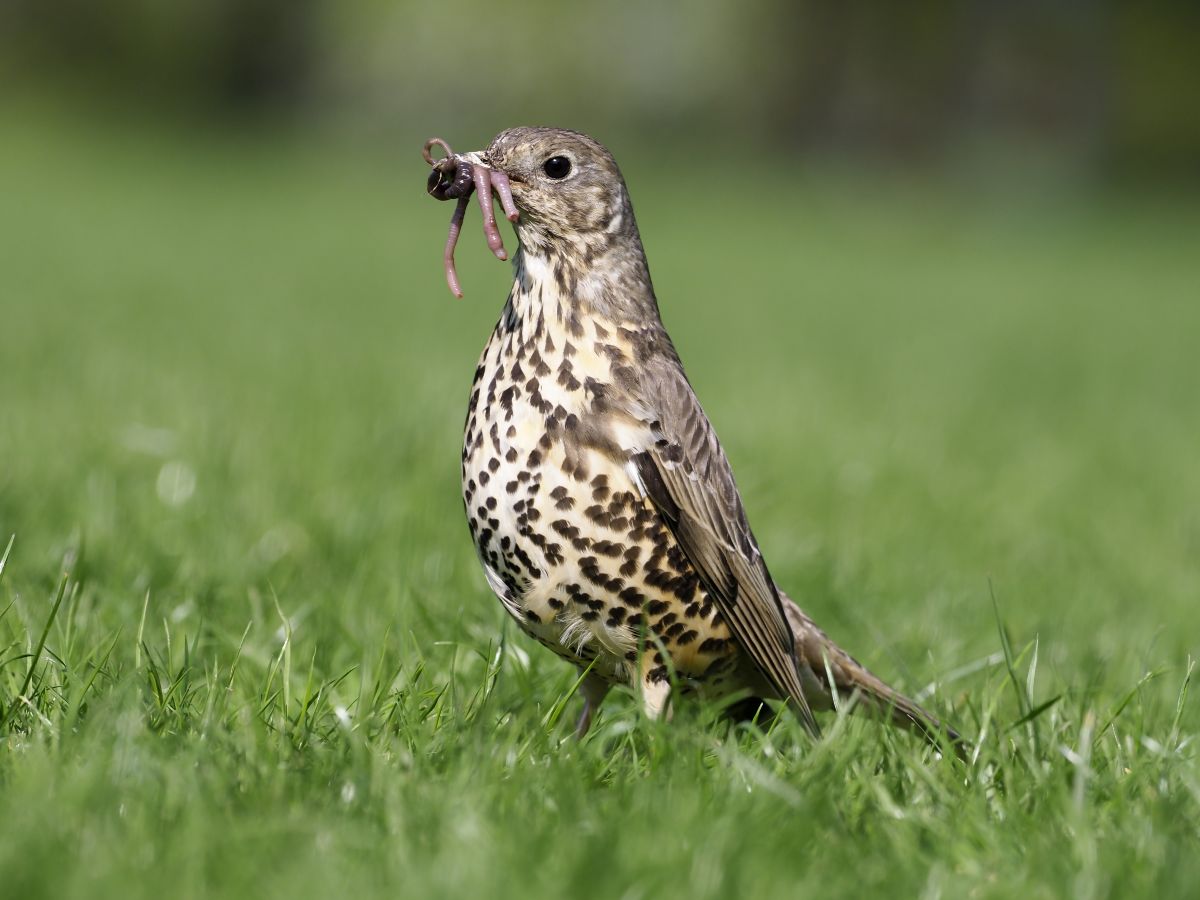
For other species, including the mistle thrush and grey wagtail, research suggests that while breeding success remains relatively stable, lower juvenile and adult survival rates are driving population declines. Although further research is needed to identify the principal causes, grey wagtail numbers appear to be closely linked to the severity of winter weather. In contrast, the substantial decline of mistle thrushes in agricultural landscapes suggests that habitat loss, particularly hedgerow removal and agricultural intensification may be reducing survival rates and contributing to ongoing population declines.
How our research is helping us understand the threats
Songbirds, like all wildlife, depend on clean, fresh water to survive. Unfortunately, many of the UK’s rivers and waterways are in poor ecological condition due to pollution from sources such as sewage discharges, agricultural runoff, and industrial waste. To help address this issue, SongBird Survival is funding a research project at Manchester Metropolitan University, where PhD student Jenny Darby is investigating how chemicals in our waterways affect songbird breeding success. While her research focuses primarily on sand martins that forage around wastewater treatment sites, she is also measuring chemical exposure in other bird species that feed on aquatic invertebrates. This work will improve our understanding of the chemicals present in human-altered waterways and the extent to which songbirds are exposed to them through their food sources, helping to identify potential risks to their health and breeding success.
Link to Part 2
We need your help to fund our crucial independent research and work.
Join our community and receive our exclusive membership benefits.
Receive our monthly e-news and regular updates



.avif)