NEW RESEARCH PAPER PUBLISHED

April 21, 2026

Every year, the publication of Defra's official wild bird population statistics provides an important snapshot of the health of nature across the UK.
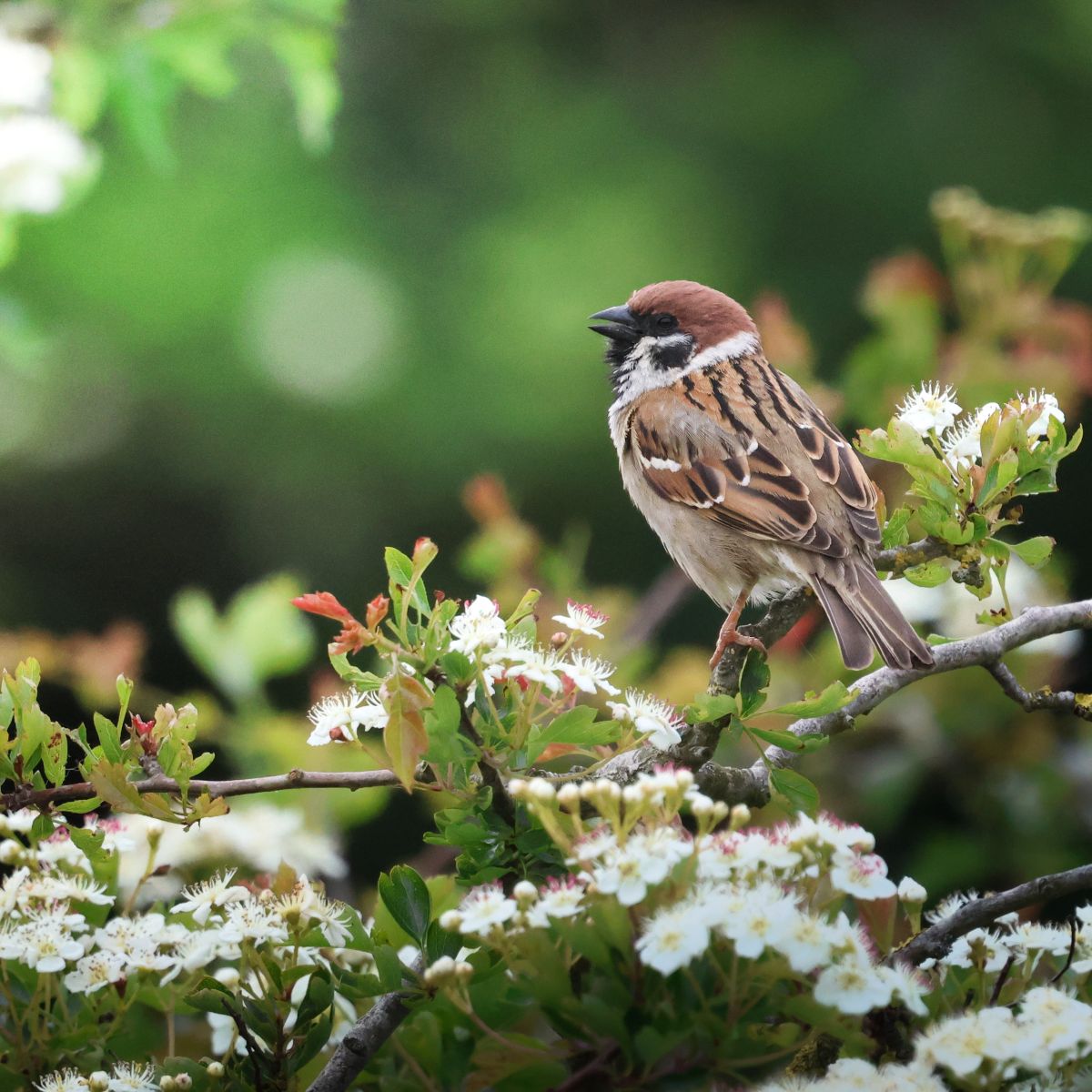
Worryingly, this year's figures continue a long-running trend. Since 1970, farmland bird populations have fallen by 63%, while woodland birds have declined by 32%. Because songbirds make up many of the species included in these indicators, these figures offer a stark insight into how some of the UK's most familiar birds are faring.Looking at individual species helps to reveal the scale of change. Some declines have been occurring for decades and, sadly, have become all too familiar. The biggest declines have been in populations of willow tit, tree sparrow and spotted flycatcher which have all fallen by more than 90% since 1970. Put another way, if there had been 100 willow tits in 1970, only three would remain today. Of every 100 tree sparrows, only five would be left, while spotted flycatcher numbers would have fallen to just nine. These dramatic losses highlight the challenges many songbirds face in adapting to a rapidly changing world.
Winners and losers in a changing landscape
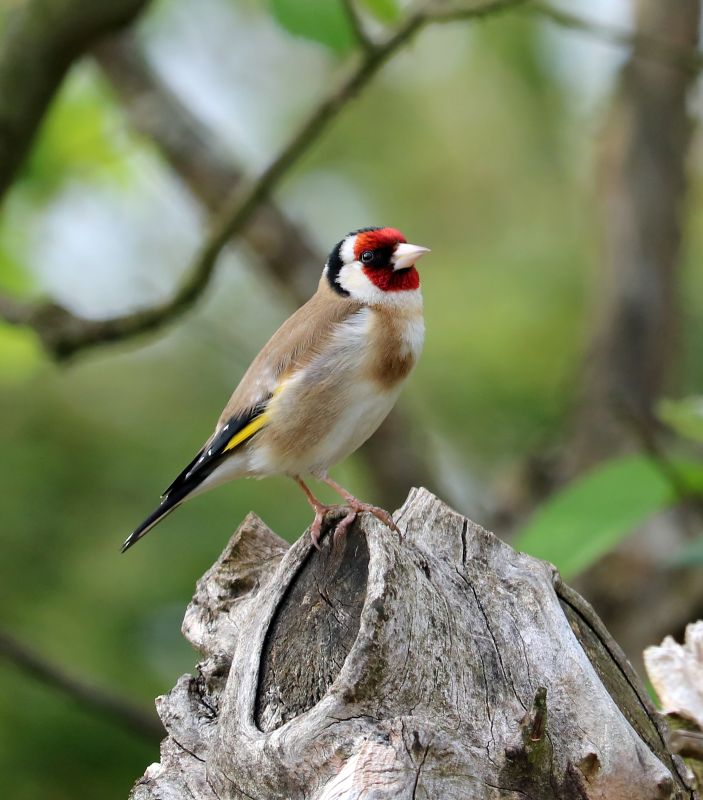
The fortunes of our songbirds often reflect how well they can respond to environmental change. It's easy to assume that birds living in towns and cities face the greatest pressures, but urban areas are often home to some of our most adaptable species. Garden bird feeding and the widespread availability of nest boxes have created opportunities for species that can take advantage of them. The goldfinch is a good example. Since the 1970s, its population has increased by 191%, making it one of the success stories of recent decades.
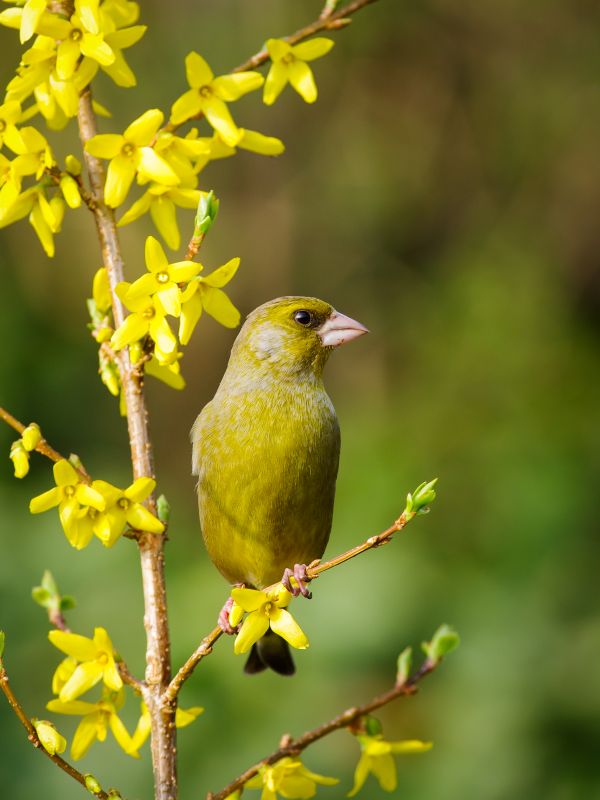
However, these benefits can come with unintended consequences. Bringing birds together at feeders increases the risk of disease transmission. Trichomonosis, a highly infectious disease, has contributed to major population declines in greenfinches, whose numbers have fallen by 65%, while bullfinches have also experienced declines. Although goldfinch populations remain much higher than they were in the 1970s, recent figures suggest their numbers may now be starting to fall as well.
The challenges facing farmland and woodland songbirds
While urban birds face modern pressures such as noise, light and chemical pollution, life is far from easy for species living in the countryside. The long-term decline of farmland and woodland birds reflects major changes in the way land is managed. Modern farming practices, habitat loss and changes in woodland management have affected the availability of food, nesting sites and shelter. These pressures, partnered with climate change, are particularly severe for specialist species that depend on specific habitats, food sources or seasonal conditions. For these birds, understanding the causes of decline is essential. Continued investment in research, alongside better support and incentives for farmers and land managers, will be critical to reversing these trends.
Climate change is reshaping our bird communities
Not all species are declining. As the UK's climate changes, some songbirds are expanding their ranges and increasing in number. Warmer winters mean that some migratory songbird species are increasingly choosing to remain in the UK year-round. Blackcaps, chiffchaffs, Dartford warblers and Cetti's warblers have all increased by more than 200% since the 1970s. Perhaps the most remarkable example is the Cetti's warbler. Once considered a rare visitor, it is now a familiar resident in suitable habitats across parts of the UK, with its population increasing by an astonishing 1275%.

What’s next for songbirds?
Defra's annual statistics offer more than a record of which species are increasing or declining. They tell a wider story about how wildlife is responding to a changing climate, evolving land use and human activity. Some adaptable species are thriving, while many specialists continue to disappear. Whether future bird population statistics tell a more positive story will depend on the decisions made now, from how we manage our farmland and woodlands to the support we provide for nature-friendly land management.
The evidence is clear: if we want future generations to enjoy the rich variety of songbirds that have long characterised the British countryside, action to understand and address the causes of decline cannot wait.
Source: Species population changes: Defra Wild Bird Populations,1970-2025
We need your help to fund our crucial independent research and work.
Join our community and receive our exclusive membership benefits.
Receive our monthly e-news and regular updates