.png)
NEW RESEARCH PAPER PUBLISHED

April 21, 2026

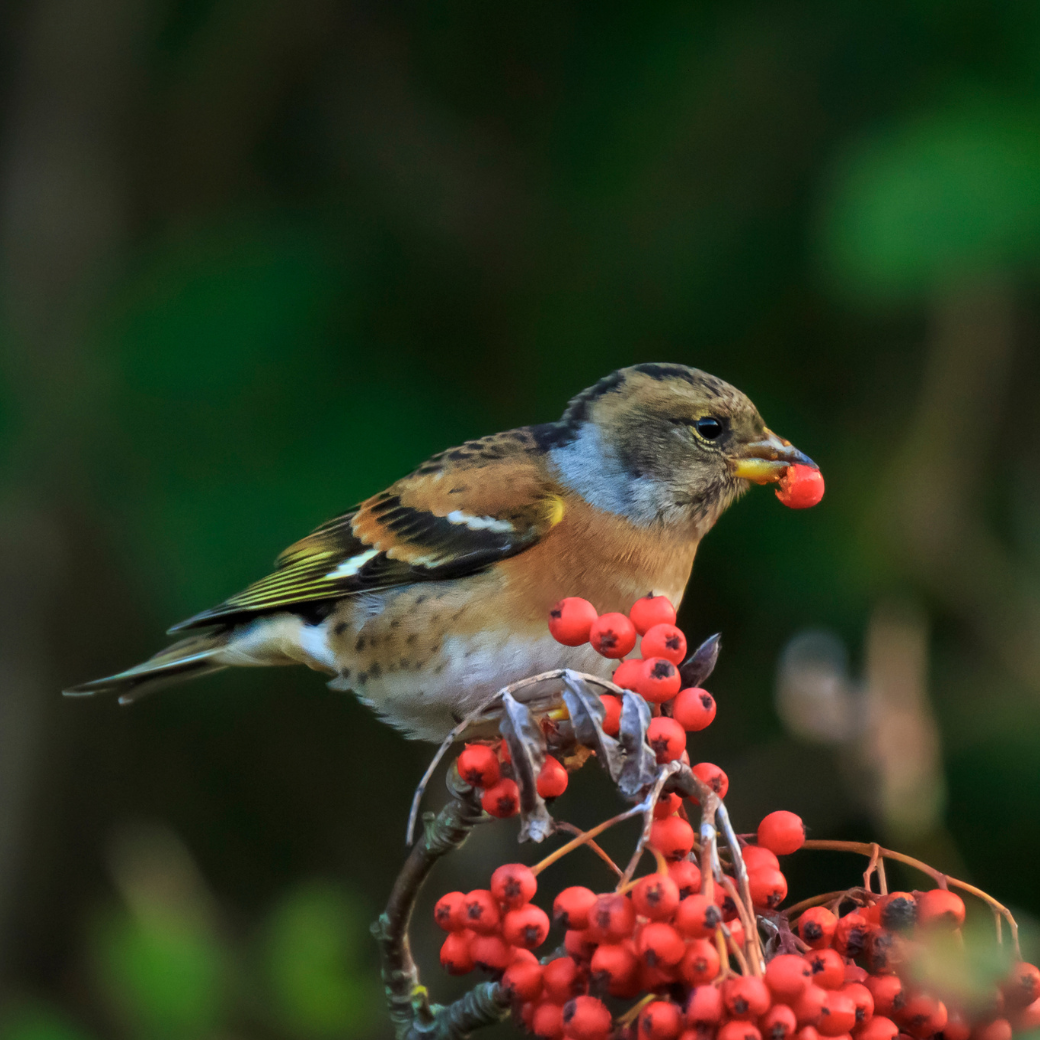
As summer fades and autumn arrives, many gardeners begin cutting back dead stems, raking leaves and tidying borders. Before you reach for the secateurs, remember that what might look like a messy garden to you can provide vital winter food and shelter for songbirds. While bird feeders can provide valuable supplementary food in the winter, natural forage, dense shelter and undisturbed insect habitats help to sustain songbirds through the coldest months.
The autumn months, from September through to November, are an ideal time to plant native trees, shrubs and perennials. Planting now allows root systems to establish in cool, moist soil over winter, helping the garden provide food and shelter for years to come. Here are three ‘plant now’ tips to make the most of the autumn season in your garden.
1. Plant now for winter berries
Winter-fruiting shrubs and trees provide important food for thrushes, blackbirds, redwings and fieldfares. Plant bare-root or potted specimens now to establish a reliable winter food source:
2. Plant now for spring insects & nectar
Fledglings rely heavily on soft-bodied insects such as caterpillars in spring, while returning pollinators need early nectar. Planting perennials and bulbs over winter will support this activity in March and April:
3. Plant now for year-round shelter & roosting
When the freezing winter takes hold, songbirds can lose vital body heat very quickly. Dense native trees and shrubs offer shelter out of the wintery conditions:
.png)
Alongside planting new additions, the easiest way to support songbirds right now is simply doing less:
For more ideas on creating a wildlife-friendly garden, see our full wildlife-friendly native plant list to plan your year-round planting.
Bird images: brambling and blue tit
We need your help to fund our crucial independent research and work.
Join our community and receive our exclusive membership benefits.
Receive our monthly e-news and regular updates



.avif)