.png)
NEW RESEARCH PAPER PUBLISHED

April 21, 2026
How has garden bird feeding changed?
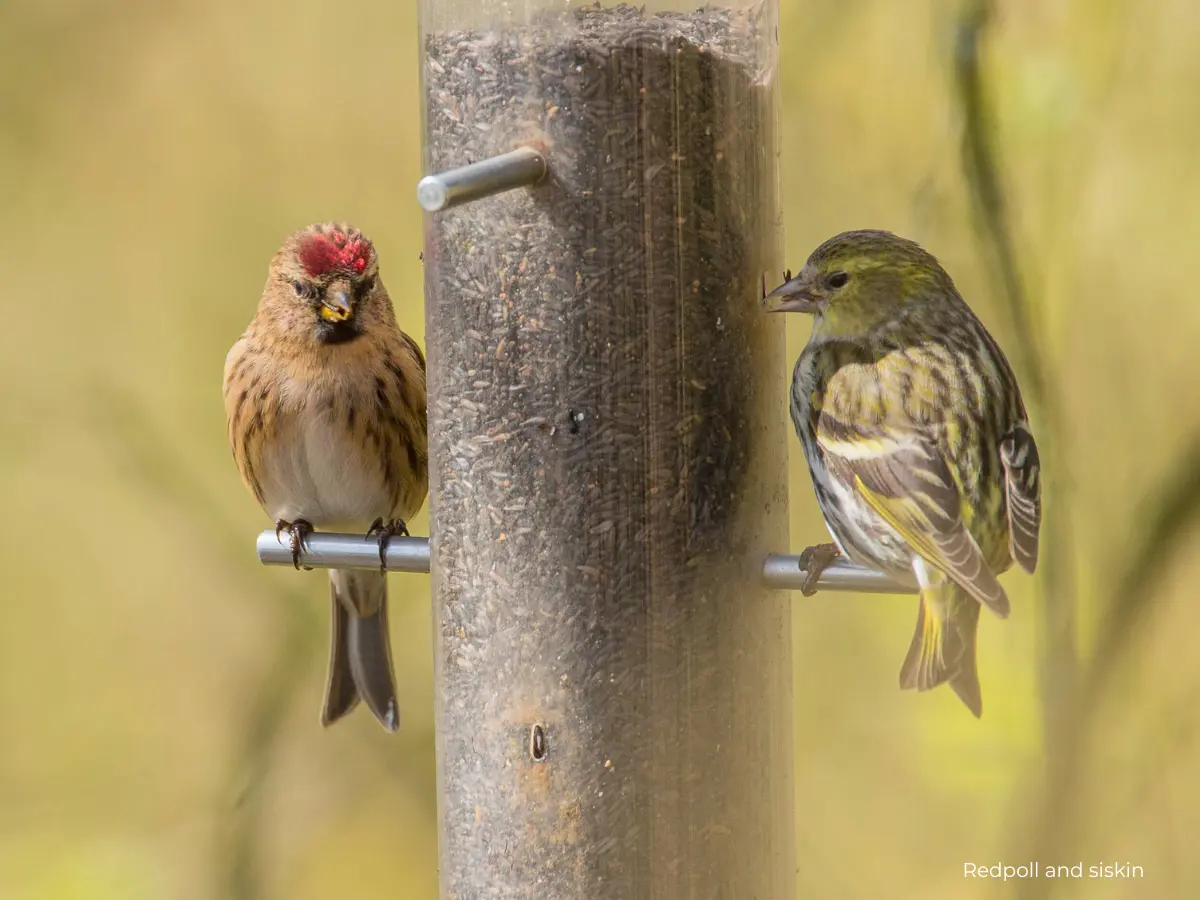
Feeding garden birds has grown dramatically over recent decades. Today, the UK spends more than £250 million a year on bird food - a sign of just how popular the hobby has become.
Traditionally, people topped up feeders mainly during the winter months, when natural food was scarce. Now, year‑round feeding is common. Many gardens feature multiple feeders, feeding stations, and even wildlife cameras to capture visiting birds in action.
But as feeding habits have changed, so too have garden bird communities.
Shifting bird populations: who wins, who loses?
One of the biggest pressures on UK birdlife is habitat loss. As urban areas continue to expand, natural habitats shrink, taking vital food sources with them. This means many species have become increasingly reliant on food provided by people.
However, not all species benefit equally. Generalist birds - those that can adapt easily and are happy to use feeders - have seen their numbers rise. This includes well‑known favourites like blue tits and great tits.
Meanwhile, specialist species that don’t use feeders, such as the willow tit, have continued to decline. This small woodland bird which excavates its own nest holes in soft, decaying wood, has declined by a staggering 90% since 1995 and is now close to national extinction. Although habitat loss plays a role, research increasingly points to competition from thriving generalist species as a major driver of their decline, fuelled by the widespread availability of supplementary food. One study found that blue tits were responsible for 40% of willow tit nest failures, often evicting them from their nesting cavities.
While we can’t yet say for certain whether increased feeding is driving these changes, the question remains: are we boosting generalist species at the expense of more vulnerable ones? Further research will be essential to understand the full picture.
The hidden risk: disease at feeders
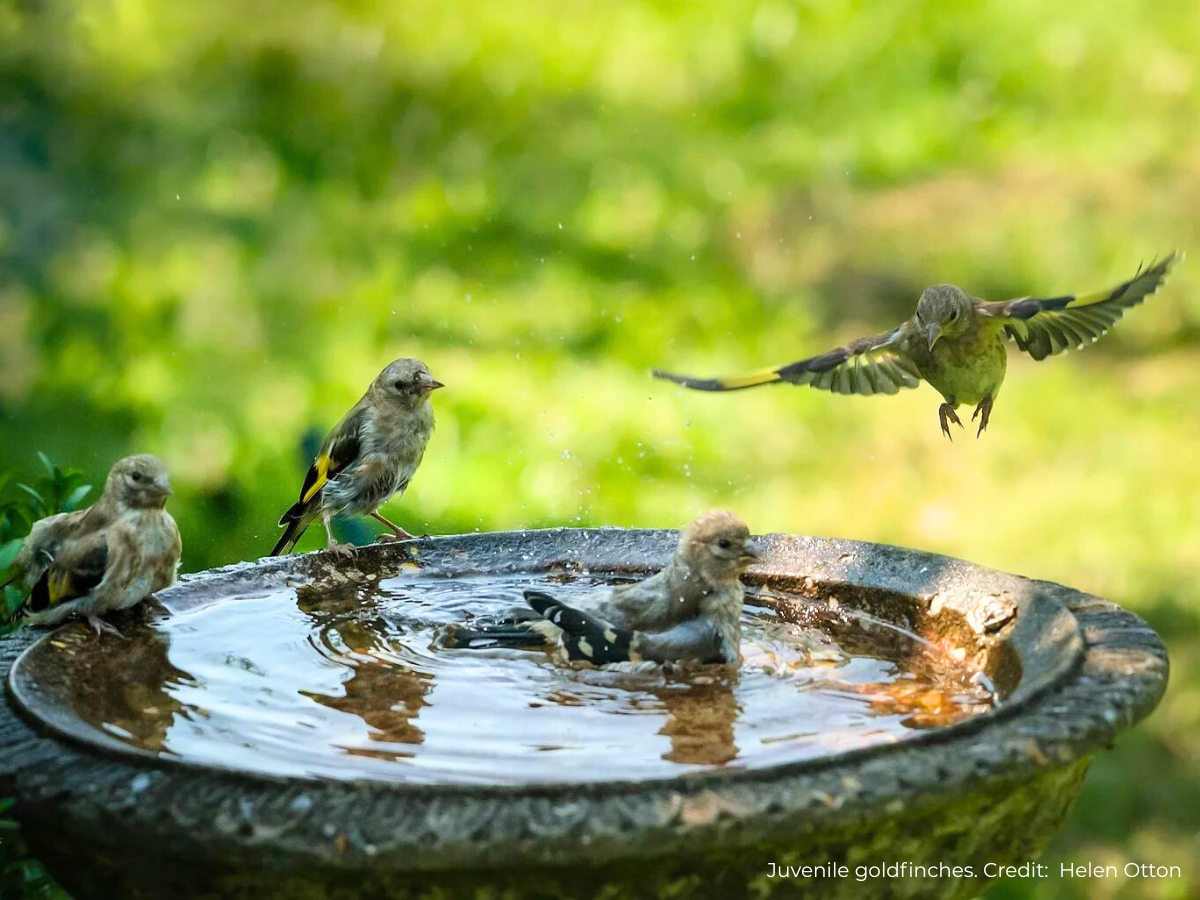
We learnt during the Covid‑19 pandemic that bringing large groups of individuals together can accelerate the spread of disease. The same principle applies in our gardens. Bird feeders draw large numbers of birds, often of many different species, into close contact, creating ideal conditions for disease transmission.
A major concern is trichomonosis, a disease particularly harmful to finches. During the trichomonosis epidemic of 2006–07, the UK lost more than three million greenfinches, leading to the species being moved to the red list of Birds of Conservation Concern. This remains the largest recorded mortality event of British birds caused by infectious disease. Chaffinches have also suffered, with numbers dropping by nearly 40% in the last decade. The disease spreads via regurgitated or contaminated food and water - conditions that crowded feeding stations can unfortunately encourage.
In recent years, studies have shown that garden feeders can play a significant role in spreading this disease. When infections rise locally, the best response may be to thoroughly clean feeders or temporarily remove them altogether to halt transmission.
So, how can we safely support garden birds?
While the research is complex, one message is clear: we all want to help garden birds responsibly. Here’s how you can support your local birds in the safest, most sustainable way:
1. Provide water year-round
Make sure a source of fresh, clean water is available year-round for songbirds to drink and bathe in.
2. Prioritise natural food sources
Where possible, plant shrubs, trees, and flowers that provide berries and seeds and attract insects throughout the year. This creates a self-sustaining environment with a lower risk of disease and no ongoing feeding costs.
3. Feed during the colder months
If you do use feeders, consider focusing on winter and early spring when food is naturally scarce and birds genuinely need an extra boost.
4. Remove feeders gradually
Give birds time to find alternative food sources by removing over the course of several weeks.
5. Keep feeders clean
Clean feeders and bird baths regularly with hot water and a mild disinfectant. Good hygiene is one of the most effective ways to protect your garden birds.
6. Remove feeders if you see a sick bird
This reduces the risk of further disease spread. Clean the feeder and resume feeding after 2-4 weeks if you don't see any more sick birds.
Feeding garden birds is a wonderful way to enjoy wildlife up close, but like any intervention in nature, it comes with responsibilities. We understand that removing a food source may feel unkind, but by adapting our habits and focusing on long-term, habitat-friendly solutions, we can ensure that our love for garden birds truly benefits them.
If you are a scientist and would like to shine a light on your recent research covering songbirds here in the UK, then let us know! As a supporter of our charity, if you have ideas for blog posts you would like to see and topics you would like us to cover on our blog, please contact us at dawn-chorus@songbird-survival.org.uk or direct to our Scientific Research and Engagement Manager at emma@songbird-survival.org.uk.
We need your help to fund our crucial independent research and work.
Join our community and receive our exclusive membership benefits.
Receive our monthly e-news and regular updates



.avif)