.png)
NEW RESEARCH PAPER PUBLISHED

April 21, 2026
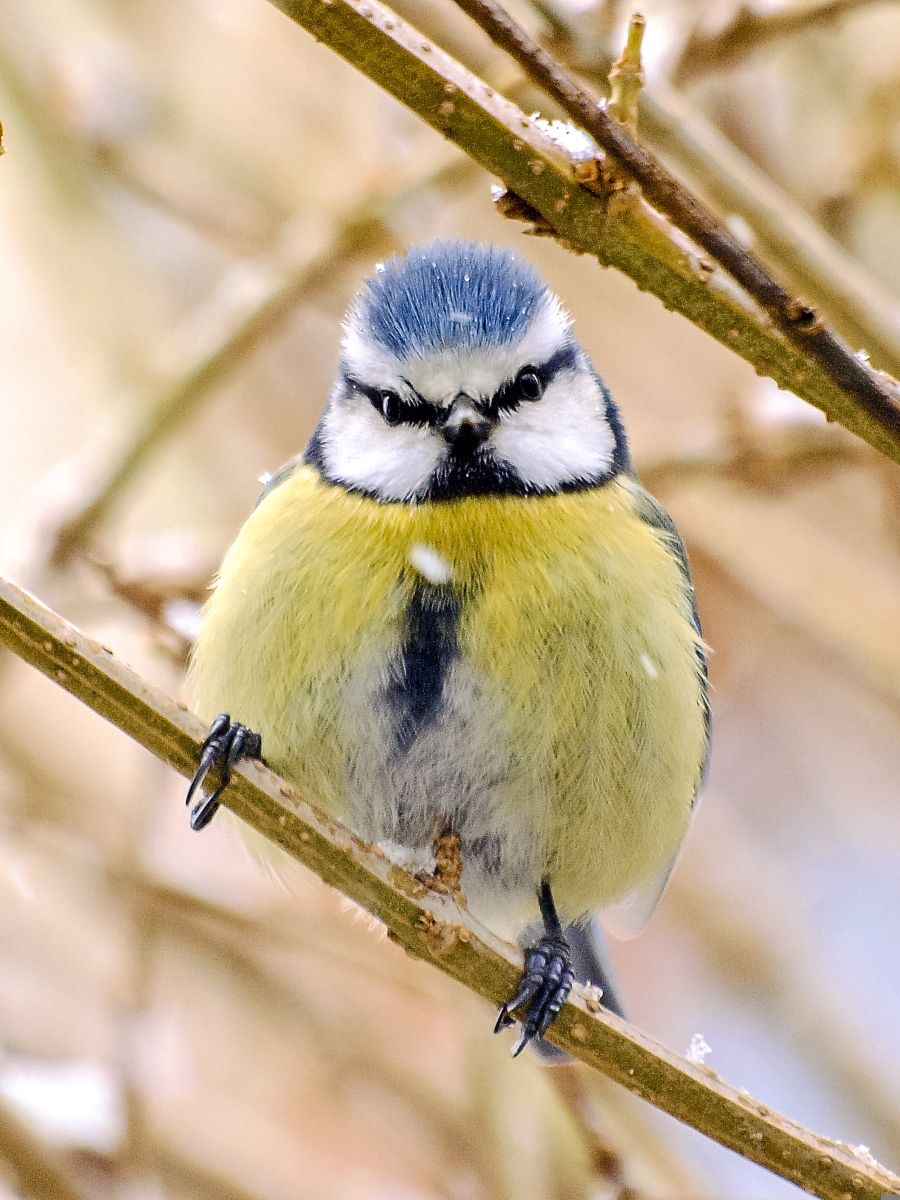
1. Continue providing food: Natural food sources still remain scarce so you can help by offering birds a boost with food high in fat and/or protein. You could also put out fruits and berries such as apples, pears, and dried fruits (soaked) on feeding stations or by hanging them in mesh bags. These offerings can attract a wider range of bird species, including thrushes, blackbirds, and starlings.
2. Plant trees and early-blooming flowers: Make sure to get the trees like beech, ash or elder in the ground before the end of February for their best chance. Evergreens, holly and ivy are good for shelter, or you could also consider planting hardy geraniums or cosmos in February.
3. Clean bird boxes: If you have nesting boxes in your garden, now is your last chance to clean them out before the breeding season begins. Remove old nesting materials and sanitize the boxes to prevent the spread of diseases.
4. Fresh water: Is an often overlooked but essential resource for birds during winter and can make a significant difference to their survival. Keep the water ice-free during cold spells by popping a ping pong ball into your bird bath.
5. Pruning: Try and leave plants unpruned if possible and leave fallen leaves as insects hide under them and provide a tasty treat for the birds. You could make a windbreak in your garden by placing a pile of branches and foliage or even your old Christmas tree on the ground.
By taking these steps in your garden during January and February, you'll continue to offer vital support to songbirds during the winter months when resources can be limited. Your efforts will contribute to the health and well-being of these birds as they navigate the challenges of the season and set them up for success.

If you are a scientist and would like to shine a light on your recent research covering songbirds here in the UK, then let us know. As a supporter of our charity, if you have ideas for blog posts you would like to see and topics you would like us to cover on the SongBird Survival blog, please contact us at dawn-chorus@songbird-survival.org.uk.
We need your help to fund our crucial independent research and work.
Join our community and receive our exclusive membership benefits.
Receive our monthly e-news and regular updates



.avif)