.png)
NEW RESEARCH PAPER PUBLISHED

April 21, 2026
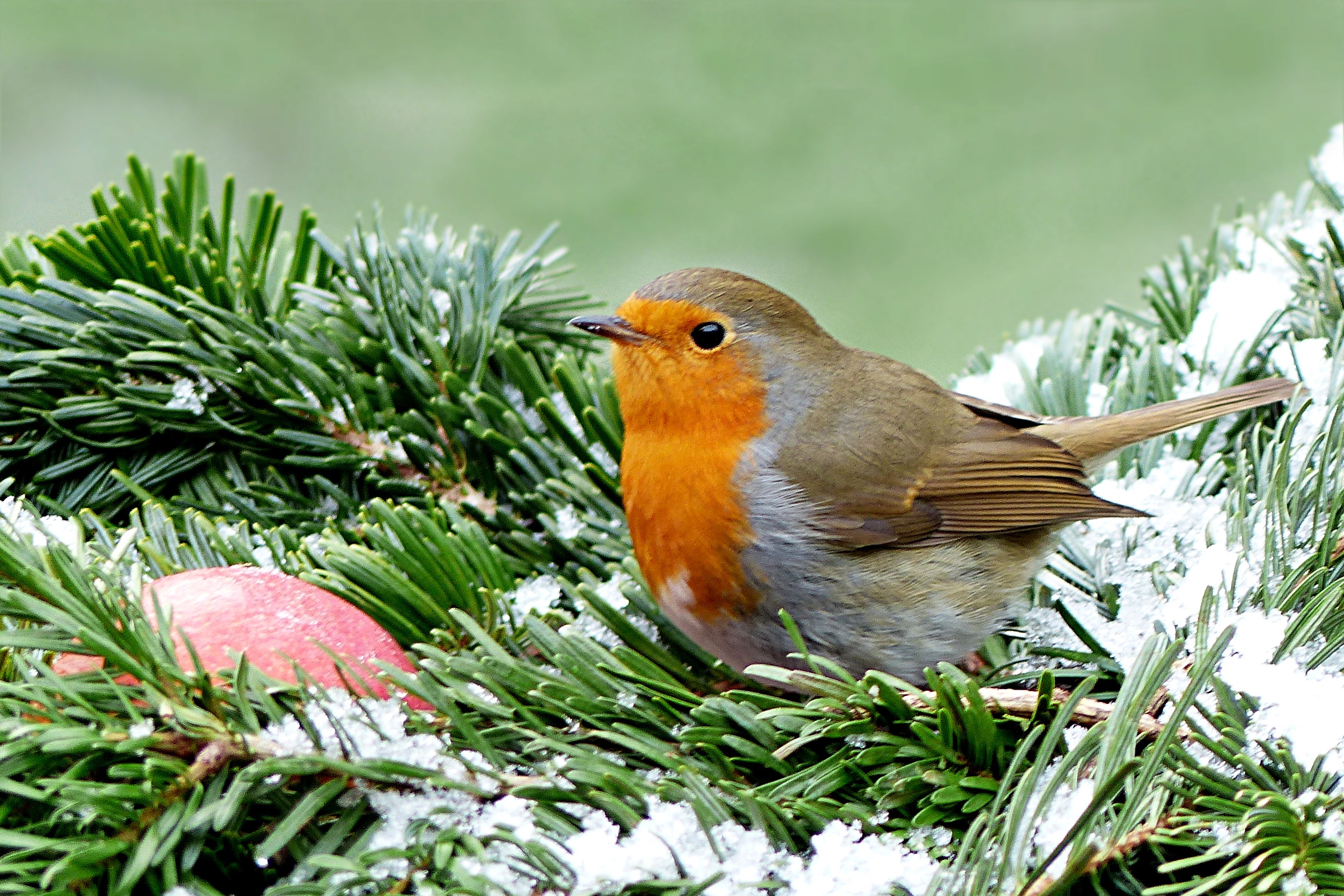
Robins have long held a special place in our gardens and our hearts. Often seen as a symbol of comfort and cheer, these little birds are full of surprises. In this blog, we’ll uncover 10 fascinating insights into Britain’s favourite bird - from their behaviour and song to the quirks that make them so endearing.
1. Year-round residents: While many bird species migrate, UK robins are primarily non-migratory birds. They usually remain in the same territory throughout the year, defending it vigorously against other robins.
2. Territorial singing: Male robins are known for their melodious songs, but did you know that they also sing to establish and defend their territories? They often sing during the night too, especially in well-lit urban areas. However, robins don't appear to be as territorial or aggressive towards other species, and have even been seen to feed chicks of other species.
3. Aggressive behaviour: Despite their charming appearance, robins can be quite aggressive towards each other and other bird species when defending their territories. They are known to engage in fierce battles, often resulting in injuries.
4. Symbol of Christmas: In the UK, robins are strongly associated with Christmas and are a popular design on holiday cards and decorations. This association is believed to have originated from Victorian postmen, who wore red uniforms and were nicknamed "robins." SongBird Survival has also adopted the robin as our mascot for National Robin Day, which takes place on the 21st December each year.
5. Red breast, brown bird: The vibrant red breast of the robin is a result of a pigment called carotenoid, which is obtained from their diet of fruits and insects. However, the rest of their plumage is actually brown, helping them blend into their natural surroundings.
6. Short lifespan: Despite their endearing presence, robins have relatively short lifespans. On average, they live for about 1.1 years due to high mortality rates in their first year. However, those that survive past their first year can live up to 5-6 years.
7. Nesting habits: Robins are known for nesting in unusual places, including sheds, hanging baskets, and even clothing left outside. Their nests are often well-hidden and made with a variety of materials, including leaves, moss, and feathers.
8. Worms aren't their main diet: While the image of a robin pulling a worm from the ground is iconic, worms make up only a small portion of their diet. Robins are omnivores, and they also eat insects, fruits, and berries, especially during the colder months when worms are less accessible.
9. Legends and folklore: One of the most famous legends of robin red breast is that the robin got his breast after burning himself on a fire, which he fanned to keep the baby Jesus warm. He is then fabled to forever carry the red breast as a sign of his devotion.
10. Population: UK robin populations have risen a little by 5% between 2018-2023. However, they are still affected by issues such as habitat loss, pesticide use, and climate change.
Robins may be small, but they are a big presence in our gardens. If you have a robin that visits regularly, we’d love to hear your stories or see your photos - and together we can celebrate these wonderful songbirds all year round, not just on National Robin Day.
We need your help to fund our crucial independent research and work.
Join our community and receive our exclusive membership benefits.
Receive our monthly e-news and regular updates



.avif)