Alert Status:
Red
Population change:
Unmonitored
5 pairs
Listen to Savi's warbler song
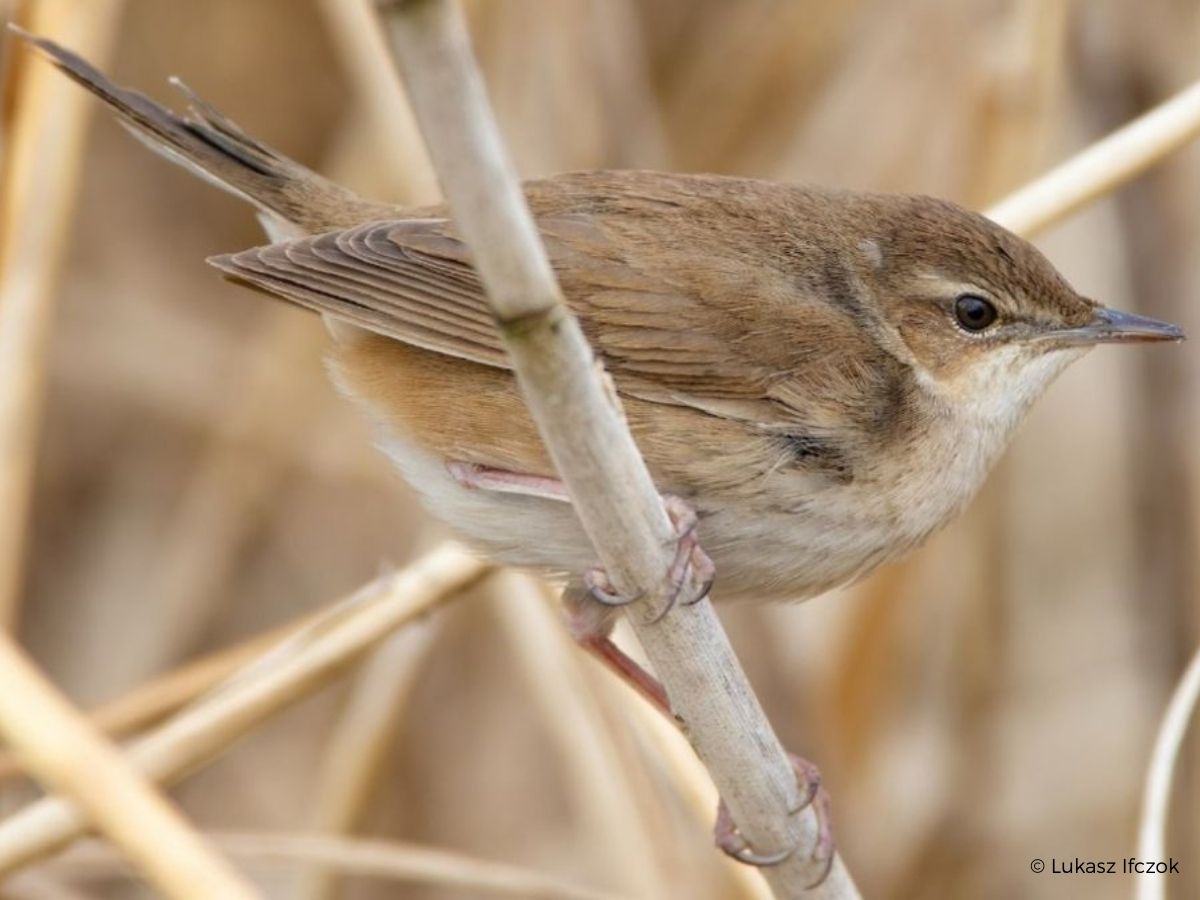
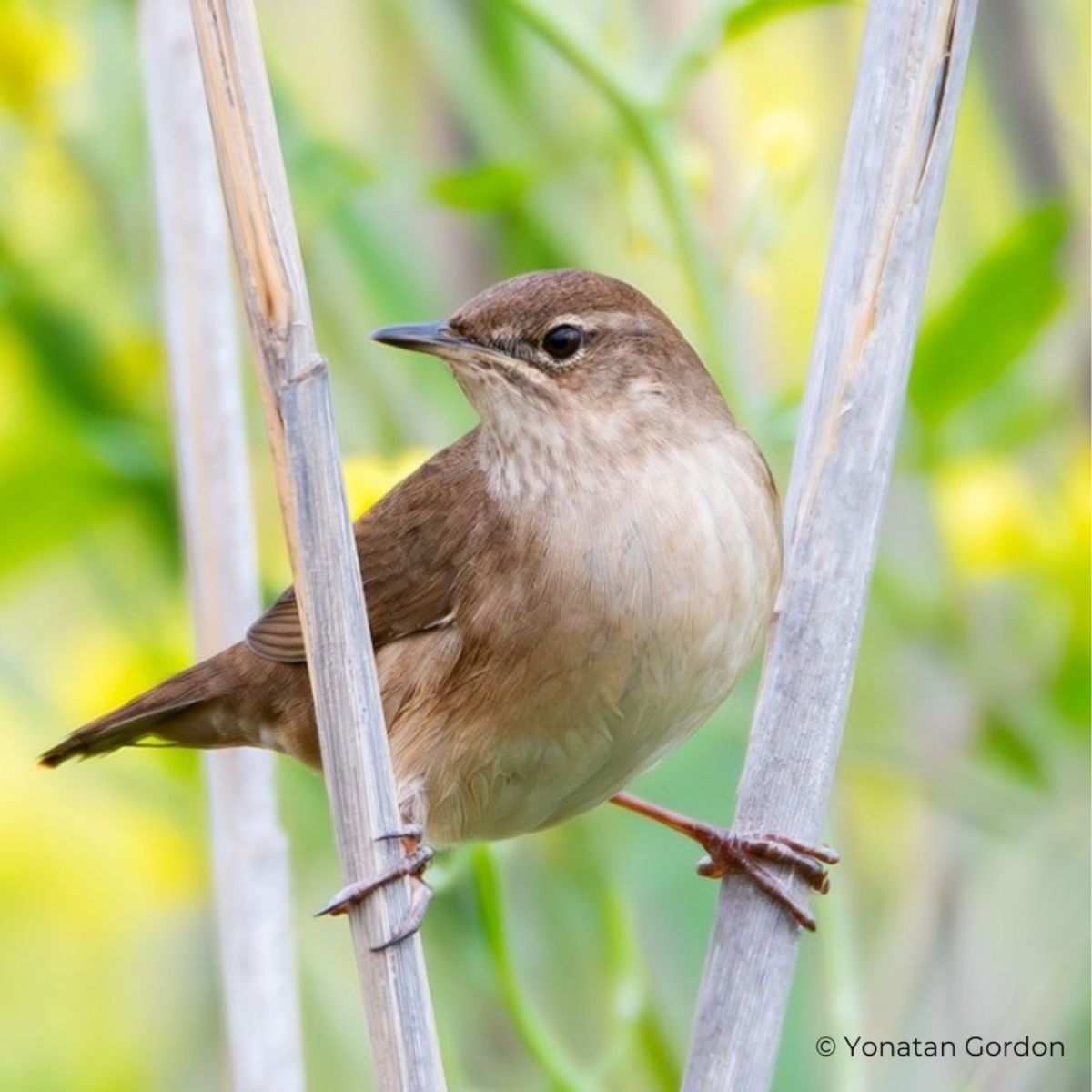
Savi’s warbler is a fairly unremarkable bird that looks similar to a nightingale (luscinioides means ‘like a nightingale’), with a warm brown head, back and wings and a pale breast. Their legs are usually pinkish-brown and their bills dark grey and sharp. They can be seen clinging to reeds and identified by their unusual insect-like song which is mainly sung at dusk. Males and females look alike.
Average Length: 14-15cm
Average Lifespan: 2.5 years
Average Wingspan: 15-20cm
The Savi’s warbler feeds primarily on insects including beetles, moths, butterflies and mayflies, although they may also eat spiders and small molluscs.
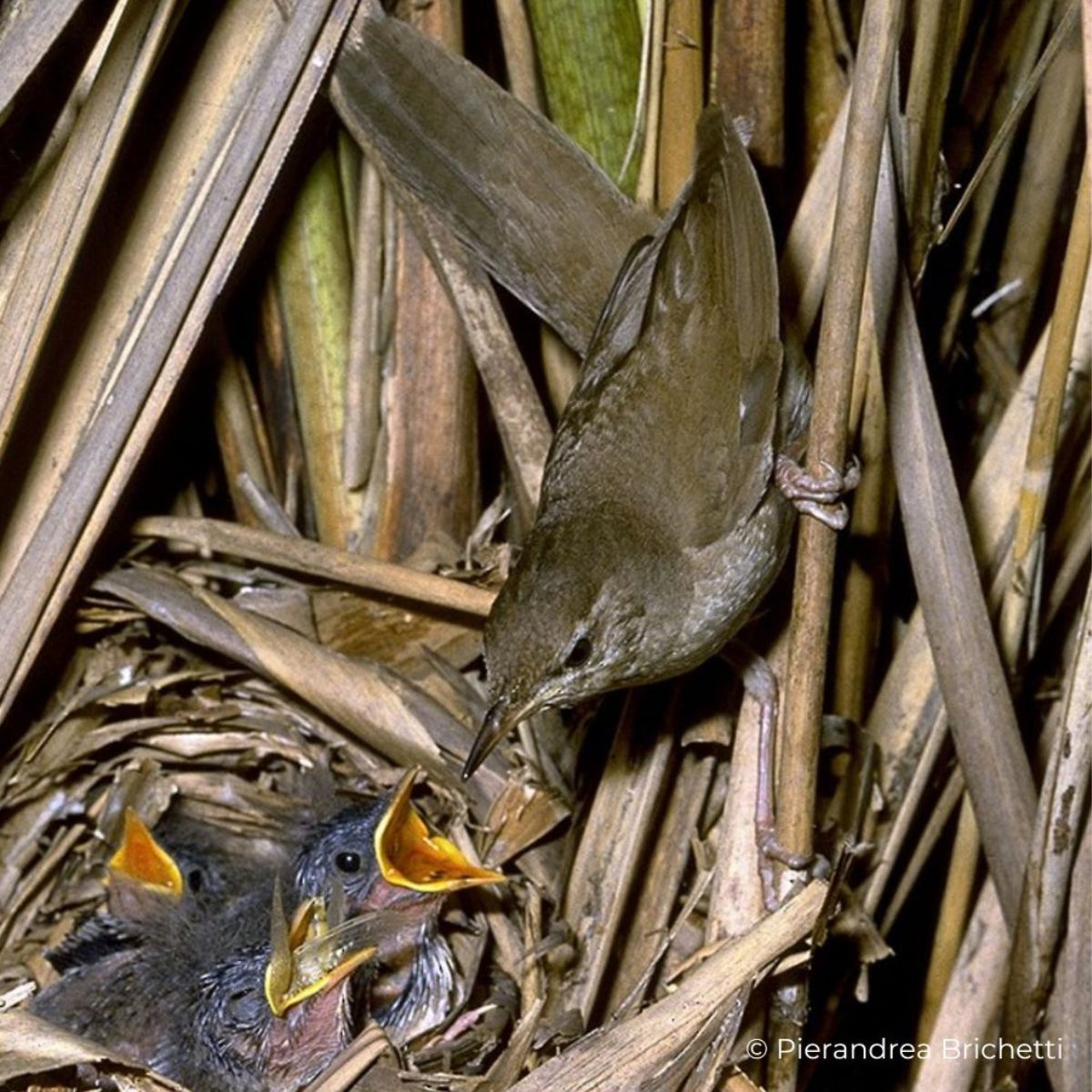
Females will use grasses, reeds and other plant materials to build a deep cup-shaped nest within dense reedbed vegetation which is lined with finer leaves. The nest is built very close to the water-level and underneath thick vegetation for protection. Females will lay 2-6 eggs and incubate for 10-12 days, with chicks then fledging after 11-15 days. Savi’s warblers typically produce 1-2 broods per year.
As Savi’s warblers are migratory birds, they face numerous threats. Of particular concern is habitat loss or degradation. Savi’s warblers are dependent on wetlands, particularly reedbeds and marsh habitats, for breeding.
Sadly these habitats are vulnerable to disturbance such as drainage and natural changes to water levels through drought, for example. Nests are especially vulnerable to flooding and reedbed management such as cutting.
The Savi’s warbler was one of the last western European breeding birds to be identified and named, not being discovered until 1824!
BirdLife International (2025) IUCN Red List for birds. Downloaded from https://datazone.birdlife.org
BTO (2025) Savi’s Warbler. BirdFacts Species: profiles of birds occurring in the United Kingdom. BTO, Thetford. Accessed from https://www.bto.org/learn/about-birds/birdfacts/savis-warbler
Neto, K. (2006) Nest-site selection and predation in Savi’s Warblers Locustella luscinioides. Bird Study, 53, 171-176
Shirihai, H. and L. (2018) Handbook of Western Palearctic Birds. Volume I. Passerines: Larks to Warblers. London, UK: Bloomsbury Publishing.
All pictures sourced from: Cornell Lab of Ornithology | Macaulay Library
Main photo: © Lukasz Ifczok
Adult photo: © Yonatan Gordon
Nest photo: © Pierandrea Brichetti
Diet photo: © Jaap Velden
Threats photo: © Michala Sůvová



.avif)