.png)
NEW RESEARCH PAPER PUBLISHED

April 21, 2026

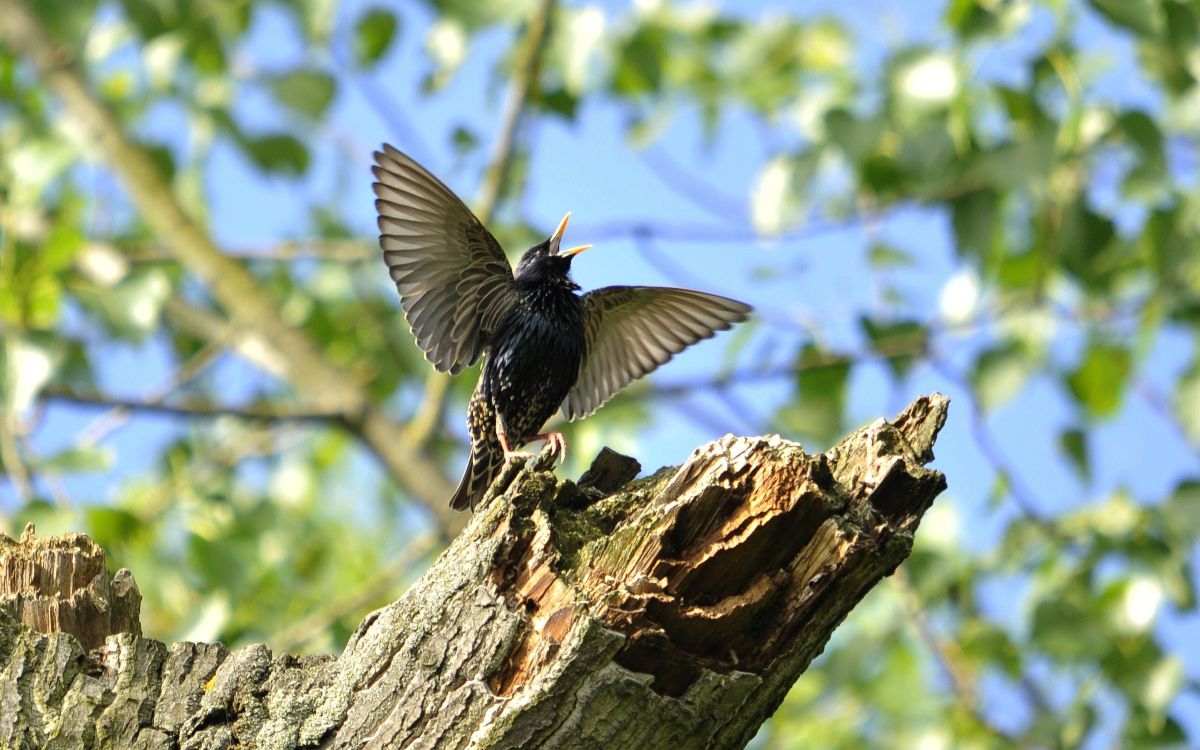
More than 270 species of songbirds have been recorded in the UK, with 84 species breeding here each year. Alarmingly, more than half of these are listed on the Birds of Conservation Concern Red or Amber lists. These classifications reflect long-term population trends, shifts in distribution, rarity, and global importance.
Each year, the British Trust for Ornithology (BTO) publishes its Breeding Bird Survey Report, the UK’s official assessment of breeding bird trends. Tracking 119 species nationwide, the report provides valuable regional insights. The latest edition spans 1994–2025 and includes 67 of the 84 breeding songbird species prioritised by SongBird Survival. Monitoring bird populations is vital, not just for conserving the species themselves, but because birds act as sensitive indicators of environmental health. When bird populations fall, it often reflects wider ecological disruptions that can ultimately affect many other species, including us.
The long-term trend is deeply concerning. UK bird populations have been declining since the mid-20th century, with an overall drop of around 18% between 1970 and 2024. However, this headline figure conceals sharp contrasts: while some species are increasing, many others are in steep decline. Recent insights from Natural England suggest that, alongside butterflies, amphibians and reptiles, birds are among the top three taxonomic groups at greatest risk of extinction in the UK.
These declines are driven by a complex mix of factors, largely linked to human activity. Habitat loss, pollution, changes in land use, and a widespread reduction in insect populations all play a role. Climate change adds another layer of pressure, reshaping habitats and species distributions at a pace many birds struggle to match.
While rising populations of certain species such as the blackcap, firecrest and Cetti’s warbler might appear encouraging, they are often offset by declines in others such as the tree sparrow, willow tit and starling that are struggling to cope with changing conditions. Read on to explore two species that illustrate this contrast, one in decline and one adapting more successfully to change.
Chiffchaff - Population change (1995-2024): 227% increase
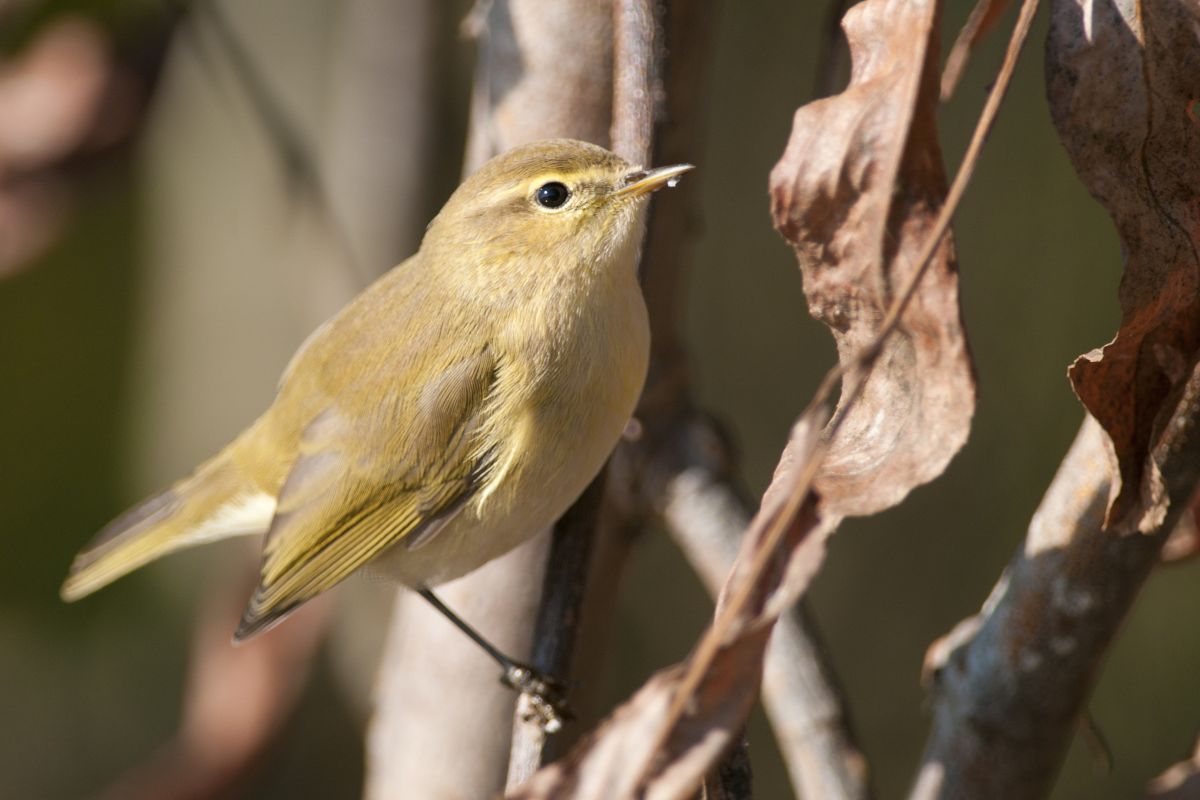
The chiffchaff, a small migratory songbird about the size of a blue tit, arrives in the UK each spring in numbers exceeding one million. Traditionally arriving in late March and departing for southern Europe and Africa in September, it has shown remarkable recovery following declines between the 1960s and 1980s.
Since 1995, chiffchaff populations have increased by 227%, with recent monitoring through BTO Constant Effort Sites recording record numbers in 2025. Its success lies in its adaptability: chiffchaffs thrive in a range of habitats, from woodlands to parks and gardens. Climate change may also be working in its favour. The species has extended its range further north into Scotland, and growing numbers are now overwintering in the UK. By avoiding long-distance migration, these birds conserve energy, allowing them to invest more in breeding and improving their chances of survival.
Spotted flycatcher - Population change (1995-2024): 61% decrease
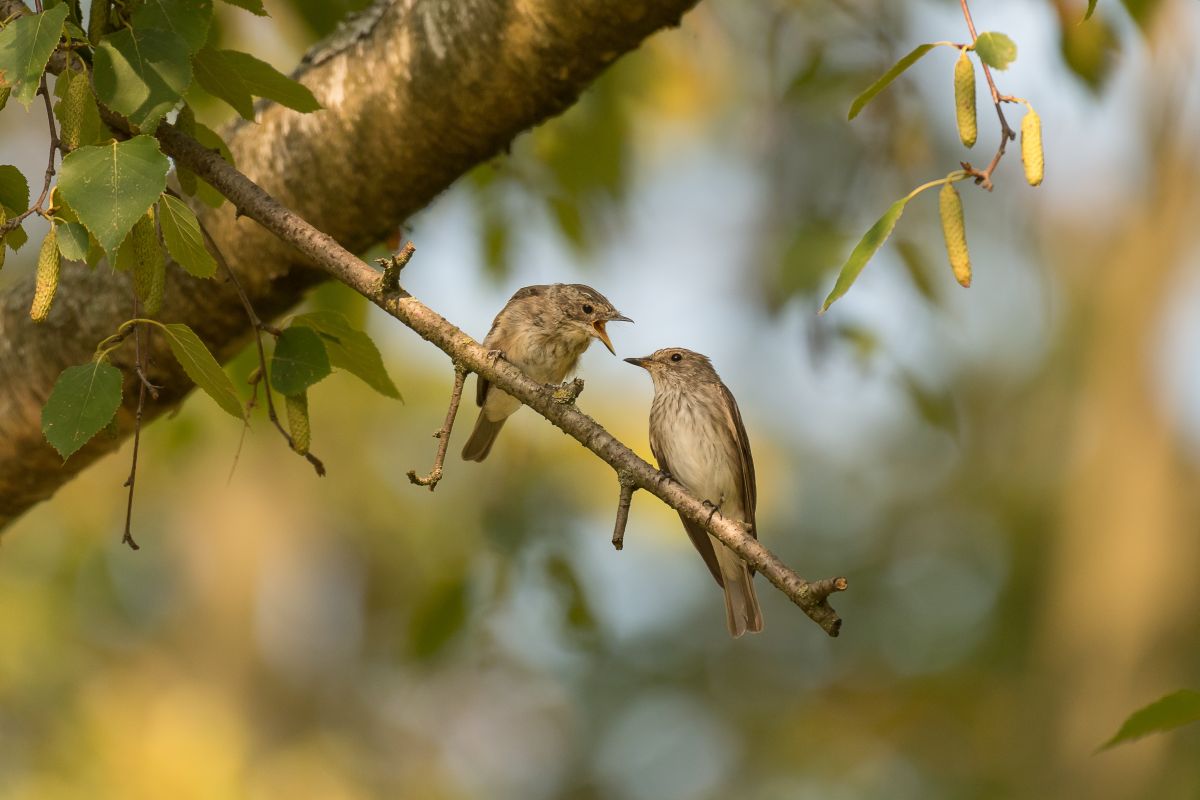
In stark contrast, the spotted flycatcher is in steep decline. One of the UK’s latest summer visitors, it arrives in late May and departs again by August. Since 1967, its population has plummeted by 92%, and it remains highly unstable.
Recent research suggests that low breeding success is a key factor in their decline, particularly poor nest survival during the egg stage. As a specialist insectivore, the spotted flycatcher is especially vulnerable to declining insect populations, both in the UK and along its migratory routes. Wetter springs and summers disrupt feeding opportunities, while pesticide use continues to reduce insect abundance. These pressures combine to make it increasingly difficult for the species to breed successfully.
We need to act now to halt the further decline of species like the spotted flycatcher. Even small changes at home can make a difference.
One simple way to help is by making your garden more wildlife-friendly:
Burgess, M. et al., (2026) Inadequate reproductive success is a potential cause of Spotted Flycatcher (Muscicapa striata) population decline in England. Ibis, 168(2), pp. 479-491
Defra (2026) Environmental Indicator Framework Theme D (Wildlife). Available at: www.gov.uk/government/publications/environmental-indicator-framework-theme-d-wildlife/environmental-indicator-framework-theme-d-wildlife#d5-conservation-status-of-our-native-species
Heywood, J. et al., (2026) The Breeding Bird Survey 2025. BTO Research Report 802. British Trust for Ornithology, Thetford. www.bto.org/our-work/science/publications/reports/bbs-reports/2025
If you are a scientist and would like to shine a light on your recent research covering songbirds here in the UK, then let us know. If you have ideas for blog posts you would like to see and topics you would like us to cover, please contact us at dawn-chorus@songbird-survival.org.uk or our Scientific Research and Impact Manager direct at emma@songbird-survival.org.uk.
We need your help to fund our crucial independent research and work.
Join our community and receive our exclusive membership benefits.
Receive our monthly e-news and regular updates



.avif)