.png)
NEW RESEARCH PAPER PUBLISHED

April 21, 2026

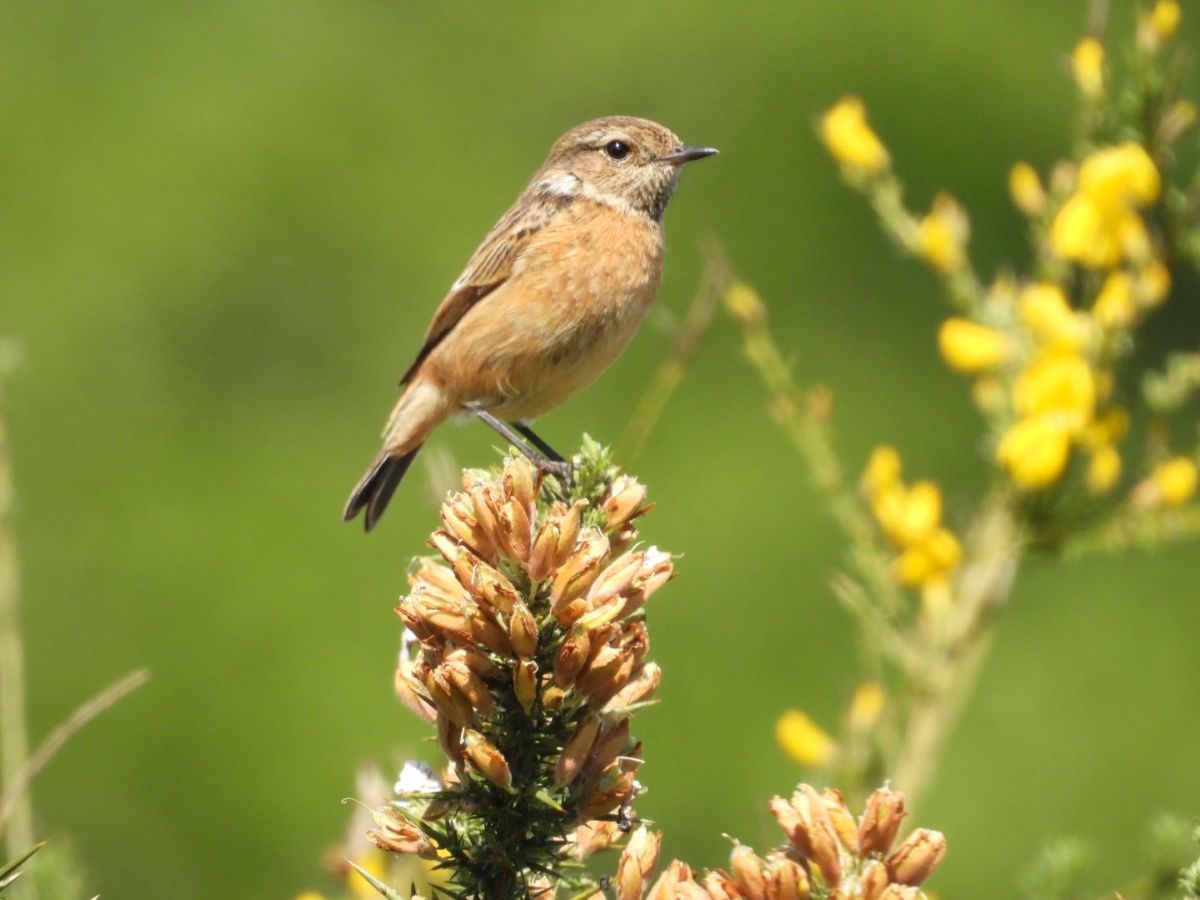
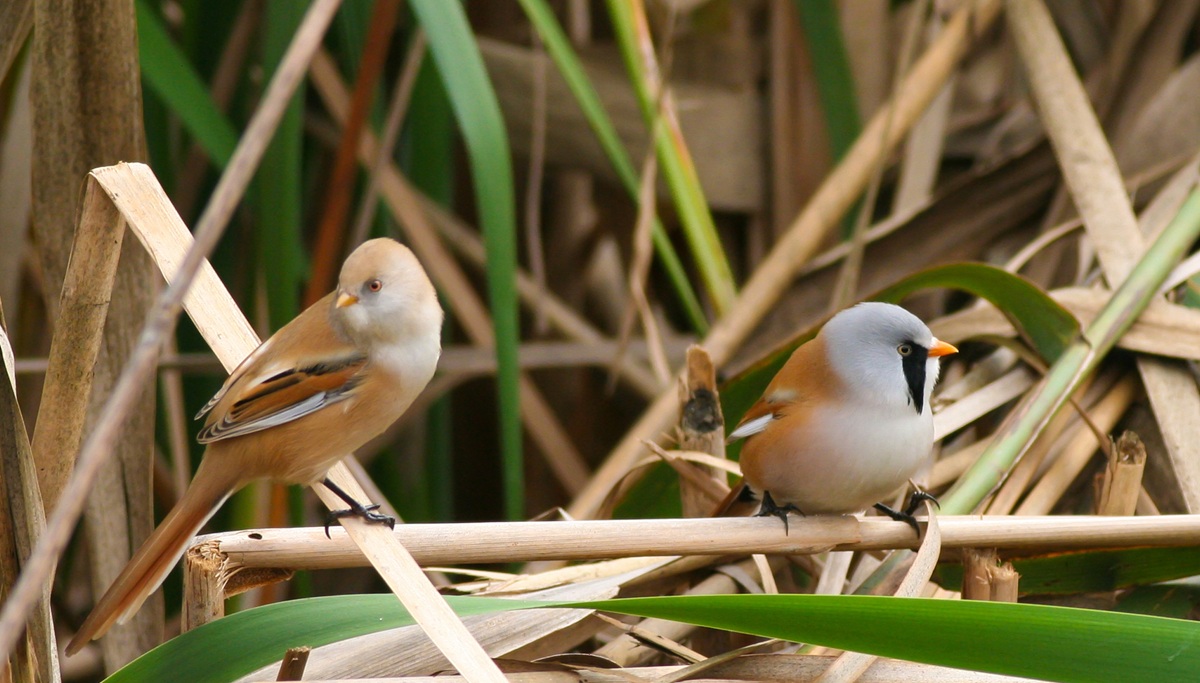
Throughout history, scientists have often treated males as the "standard" when studying animals, and birds are no exception. Despite making up 50% of the population, female birds, often described as “drab” compared to males, remain surprisingly understudied.
Part of the problem lies in how birds are monitored. Researchers often collect information about a species without recording whether an individual is male or female. Male birds can also be easier to spot, thanks to their brighter colours or more obvious behaviours. Citizen science projects, such as bird surveys and garden bird counts, provide invaluable data, but they usually focus on identifying species rather than recording sex.
Even some research methods can unintentionally favour males. For example, during the breeding season, females are often busy incubating eggs or caring for young, making them less likely to be seen or captured during surveys. As a result, scientists can end up with much more information about males than females.
This imbalance has created blind spots in our understanding of bird behaviour, survival and ecology.
The myth that only male birds sing
One of the clearest examples of this bias is birdsong.
For many years, scientists believed that singing was almost exclusively a male activity. The common explanation was simple: males sing to attract females and defend territories from rivals. This idea was backed by early studies of European songbirds, where male song is often particularly noticeable. Charles Darwin himself described intense “rivalry between the males of many species to attract, by singing, the females”.
But as researchers began studying more species around the world, a different picture emerged. Female birdsong turns out to be far more common than previously thought and occurs in more than 70% of species globally. In many cases, females sing just as purposefully as males, using their song to defend territories, compete for resources, maintain pair bonds and communicate with potential mates. Here in the UK, species including robins, dunnocks and barn swallows all have singing females.
The barn swallow provides a particularly interesting example. Female swallows sometimes sing over their mates, potentially preventing them from attracting other females.
Different challenges for female birds
Female birds don't just behave differently from males; they face different challenges too. Producing eggs requires a great deal of energy, and in many species females also take on much of the responsibility for incubating eggs and caring for chicks. Spending long periods at the nest can increase their vulnerability to predators and place additional strain on their bodies.
These pressures can sometimes lead to lower survival rates for females compared with males. When female numbers decline, it can have significant consequences for entire populations because fewer females means fewer opportunities for successful breeding. Researchers are increasingly recognising that understanding these differences is essential for protecting and conserving bird species effectively.
Listening to every voice
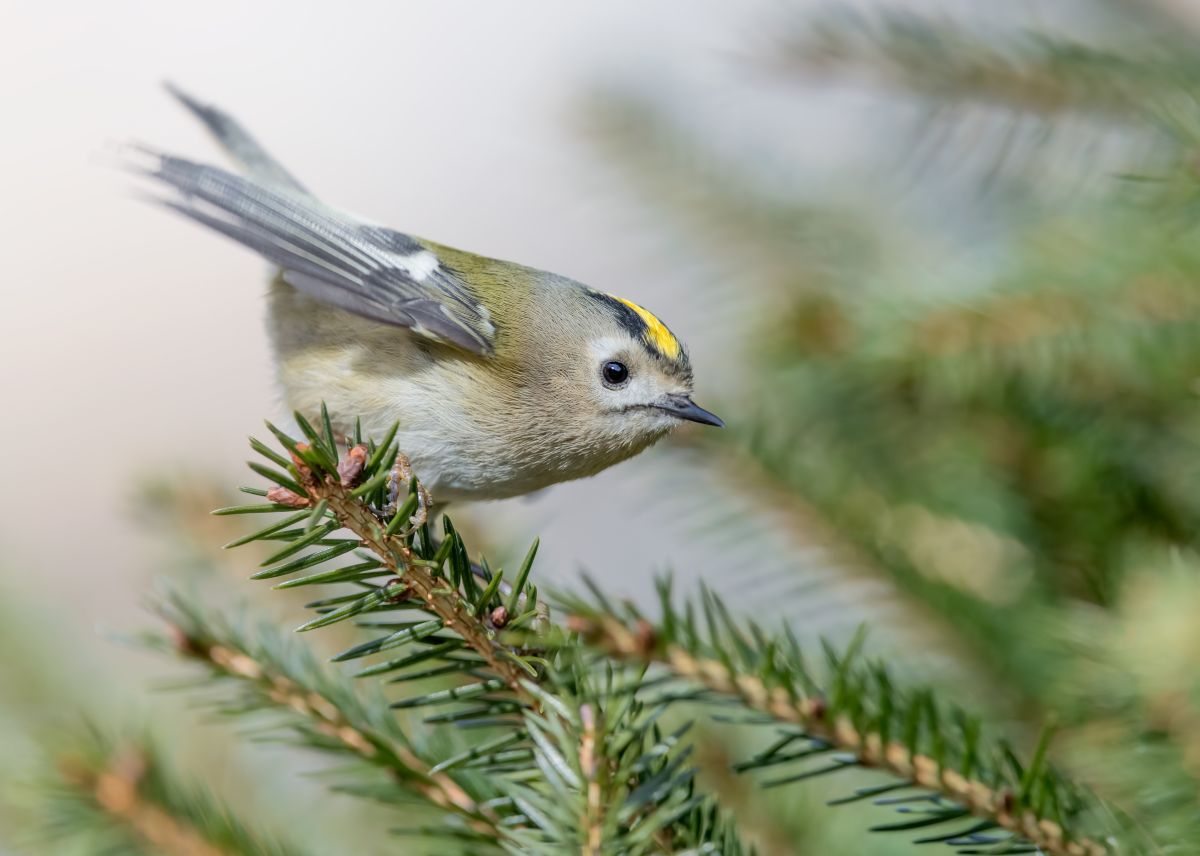
To protect birds effectively, we need a complete picture of their lives. That means paying attention not only to the most visible or vocal individuals, but also to those that have been overlooked. By studying female birds more closely, scientists can fill important knowledge gaps, improve conservation strategies and gain a better understanding of how bird populations really function.
Female birds have always been a crucial part of the story. Now, researchers are finally beginning to give them the attention they deserve.
References
Odom, K. et al., (2014) Female song is widespread and ancestral in songbirds. Nature Communications, 5, 3379
Odom, K. et al., (2019) New insights from female bird song: towards an integrated approach to studying male and female communication roles. Biology Letters, 15(4)
Odom, K. et al., (2025) Global incidence of female birdsong is predicted by territoriality and biparental care in songbirds. Nature Communications, 16, 6157
Wu, J. et al., (2025) A focus on females can improve science and conservation. Ibis, 167(3), pp. 819-827
We need your help to fund our crucial independent research and work.
Join our community and receive our exclusive membership benefits.
Receive our monthly e-news and regular updates



.avif)