.png)
NEW RESEARCH PAPER PUBLISHED

April 21, 2026

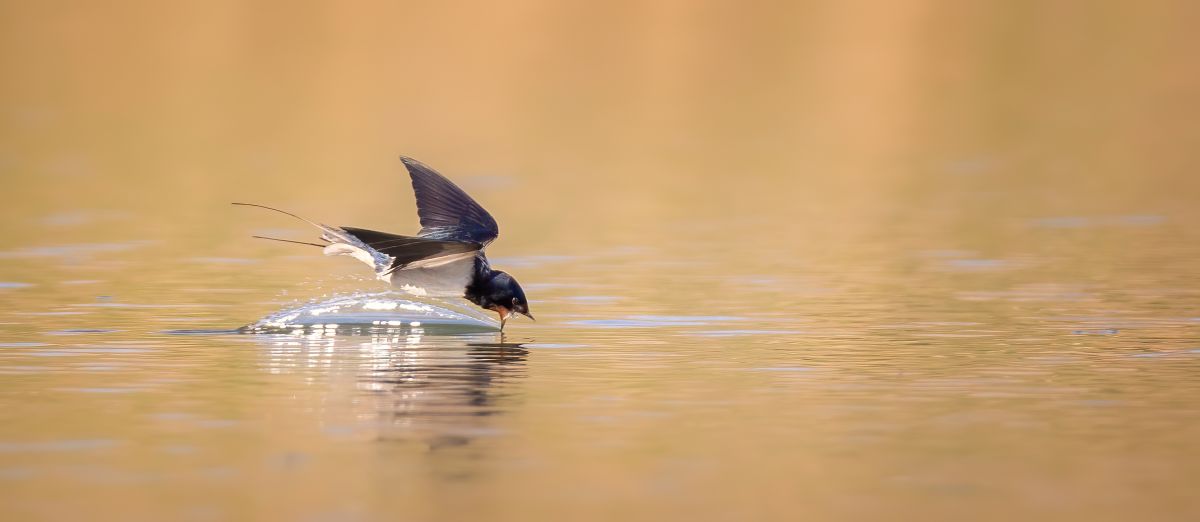
Although they can appear very similar at first glance and are easily confused, there are some important differences between these graceful birds. One of the biggest surprises to many people is that while swallows and house martins are songbirds, swifts are not. Swallows and house martins are both from the Hirundinidae family and belong to the Passeriformes order which makes them songbirds, whereas swifts belong to a completely different order, Apodiformes, making them more closely related to hummingbirds than to swallows. Yet all three depend on healthy insect populations and safe nesting sites.
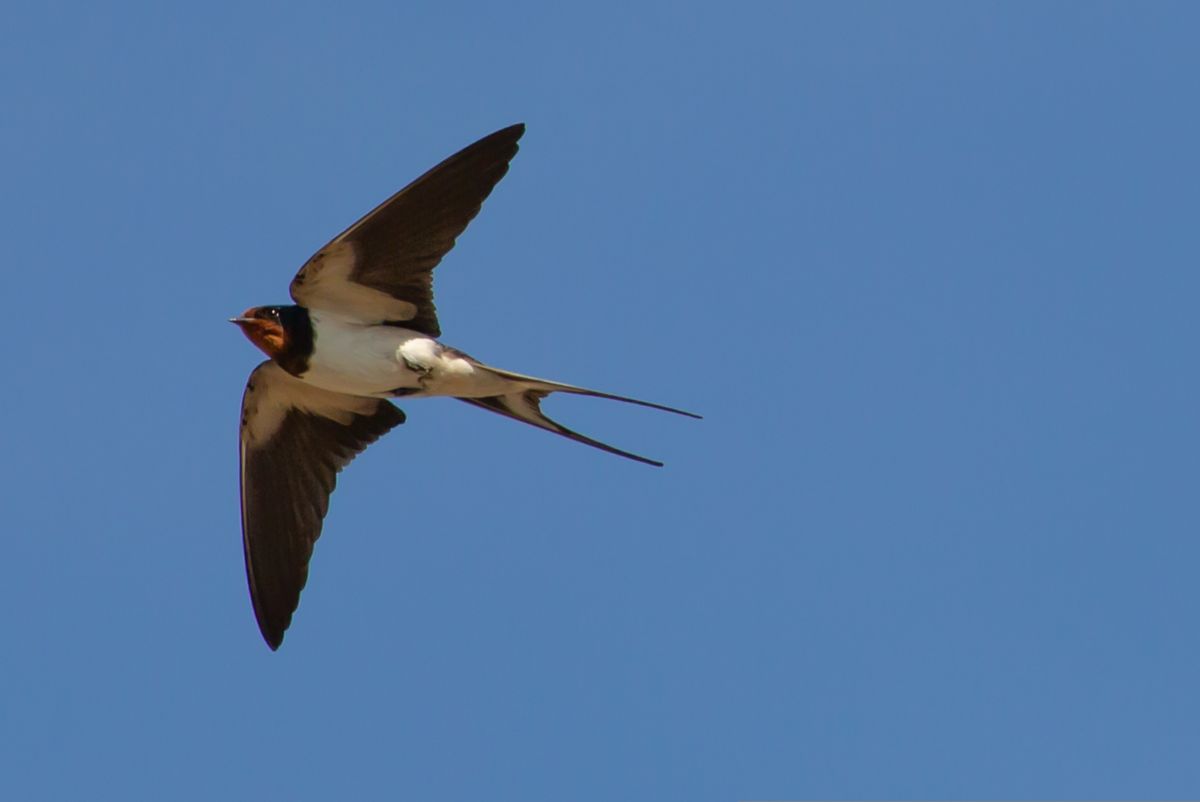
The barn swallow (Hirundo rustica) is one of Britain's most familiar and beloved summer visitors. Swallows are instantly recognisable by their deeply forked tails and graceful flight as they dart and swoop through the air to catch flying insects. They are often seen perching on telephone wires and fences.
Swallows build cup-shaped nests from mud and straw inside barns, outbuildings and other structures, frequently returning to the same nesting sites year after year.
They have an inky blue-black back and cap, pale underbelly and a distinctive rusty coloured throat. Their long, deeply forked tail with thin tail ‘streamers’ makes them unmistakable in flight. Whilst swallows are not considered to be endangered, their numbers have decreased by 23% between 1995 and 2024.

The house martin (Delichon urbicum) is a close relative of the swallow and also a songbird. Slightly smaller than a swallow, it has glossy blue-black cap and back, pure white underside and a distinctive white rump with a forked tail.
Like swallows, house martins feed almost exclusively on flying insects, catching their prey while on the wing. Because of this specialised diet, encouraging insect life through wildlife-friendly planting can help support the habitats they depend on.
House martins are famous for their impressive mud nests. Using thousands of pellets of mud and grass gathered from puddles, streams and ponds, they build nests beneath the eaves of buildings where they often breed in colonies, sometimes as many as 30 nests. Unfortunately, like the swallow, house martin populations have declined substantially in recent decades, with a 40% decrease since 1995 and they are now red listed as endangered.
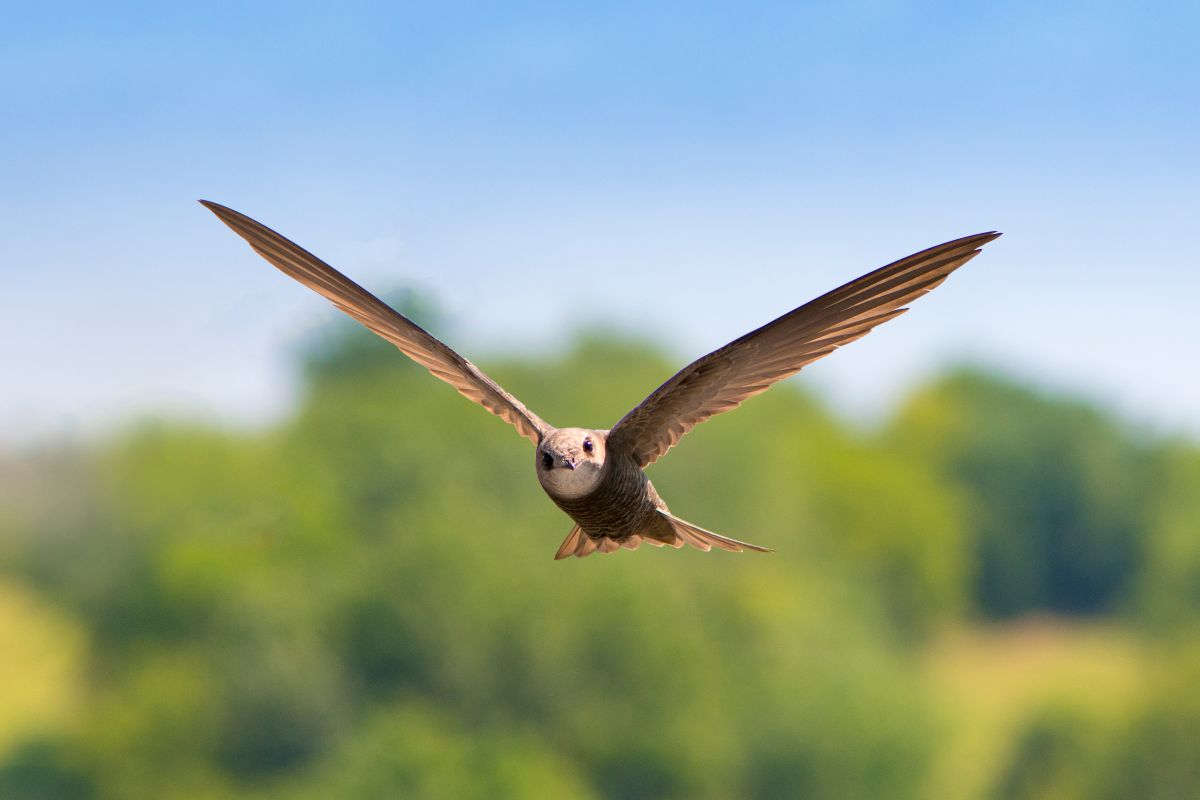
Swifts (Apus apus) are often mistaken for swallows or house martins because they spend much of their lives feeding on flying insects and have a similar streamlined shape. However, despite their appearance, swifts are not songbirds and they belong to the family Apodidae.
Swifts are dark brown-black all over, with curved wings, often referred to a being in the shape of a boomerang, and a short forked tail. Their screaming calls are a familiar sound in towns and cities during warm evenings.
What sets swifts apart is that they spend most of their lives flying, eating, drinking and even sleeping on the wing, landing only when it is time to breed. Sadly, the swift has seen a significant decline in population numbers, with a 70% decrease between 1995 and 2024, and is red listed like the house martin.
Whilst swallows and house martins are songbirds and swifts are not, all three species play an important role in our ecosystems. They feed almost entirely on flying insects, helping to keep insect populations in balance while demonstrating the importance of healthy, insect-rich habitats.
Unfortunately, these aerial specialists face a number of challenges. Changes in land use, habitat loss, declines in insect abundance, adverse weather during migration and the lack of suitable nesting spaces can all affect breeding success.
Whilst none of these birds are common garden visitors, there are things you can do to increase your chances of seeing them. Plant lots of pollinator friendly plants to attract insects into your garden. Allow a pond in your garden to get a little muddy, to provide the perfect nesting material for swallows and house martins to build nests.
The next time you see birds wheeling across a summer sky, take a moment to look a little closer. Spot the white rump of a house martin, the long tail streamers of a swallow, or the boomerang-shaped wings of a swift, and you'll never confuse them again. And while swallows and house martins are part of the songbird family that SongBird Survival exists to protect, swifts share many of the same conservation challenges. By creating wildlife-friendly spaces rich in insects and safeguarding nesting opportunities, we can help ensure that they continue to grace our skies for generations to come.
We need your help to fund our crucial independent research and work.
Join our community and receive our exclusive membership benefits.
Receive our monthly e-news and regular updates



.avif)